

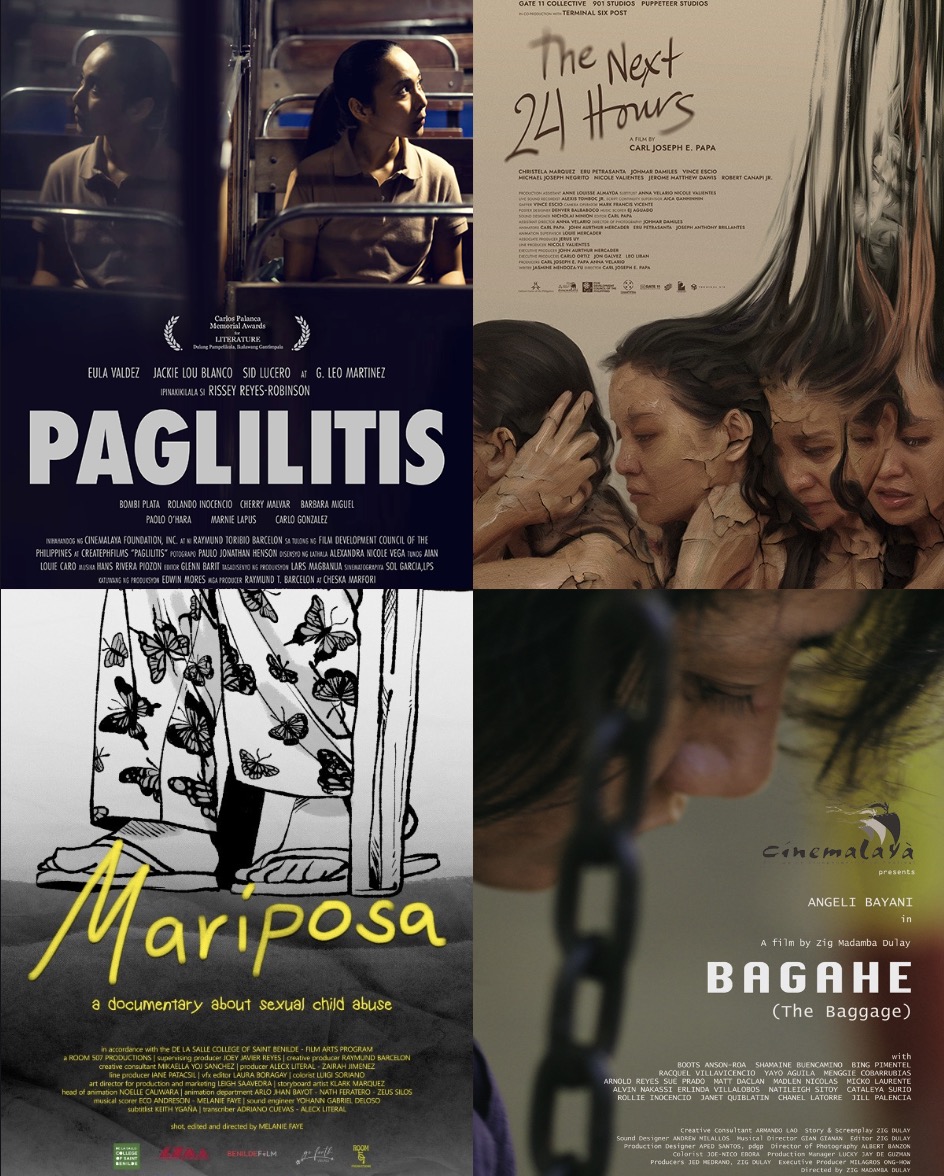
Cinemalaya films headline a national screening and talkback program that uses Philippine cinema to promote awareness, dialogue, and collective action against violence against women.
The Cultural Center of the Philippines (CCP) partners with the Philippine Commission on Women (PCW), the Inter-Agency Council on Violence Against Women and their Children (IACVAWC), and SM Cares for CineBabaylan: Pelikula. Pagninilay. Pag-unawa. Pagkilos. Pag-asa., a national film program that harnesses the power of Philippine cinema to raise awareness and encourage collective action against violence against women (VAW).
A core component of the 2026 18-Day Campaign to End Violence Against Women, which runs from November 25 to December 12, CineBabaylan uses selected Filipino films as springboards for conversations about VAW prevention, gender equality, harmful social norms, respectful relationships, and collective action.
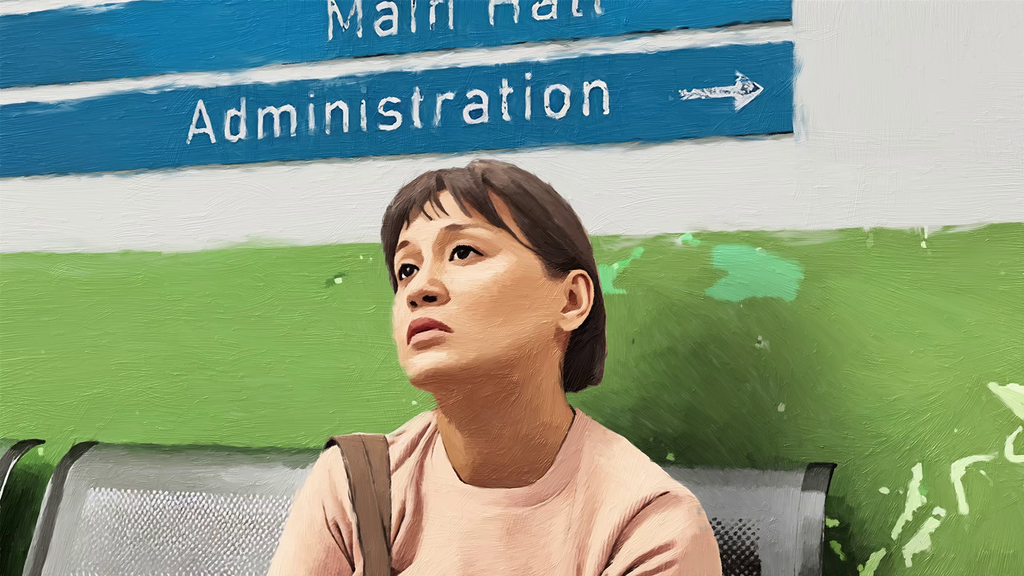
Under the campaign theme “UNiTEd for a VAW-free Philippines,” the film lineup features two full-length films and two short films that examine different dimensions of violence against women and its lasting consequences.
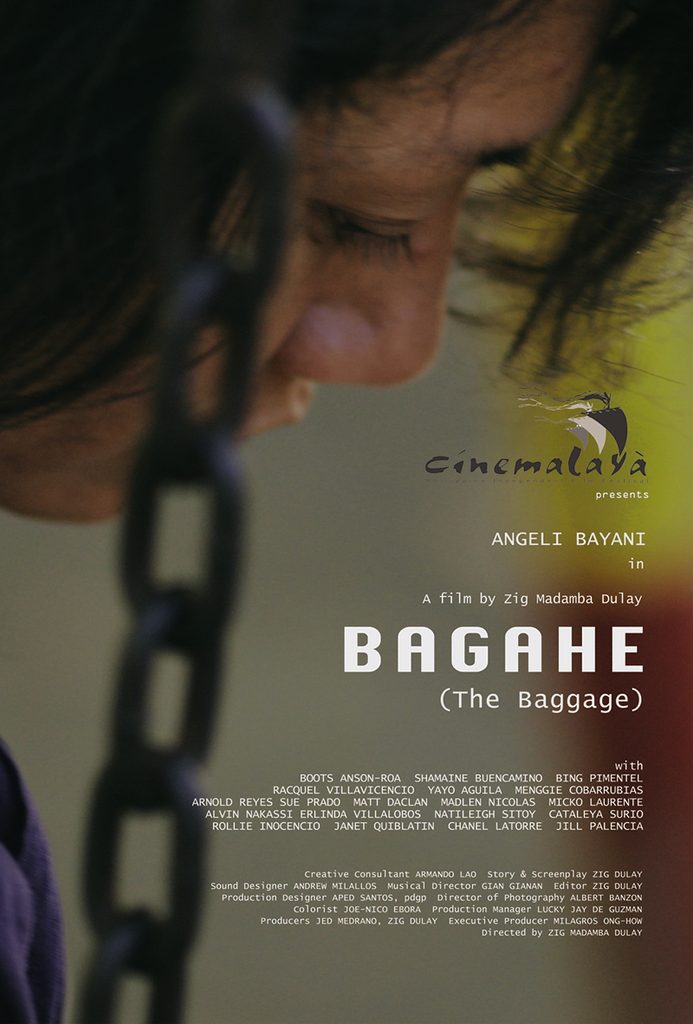
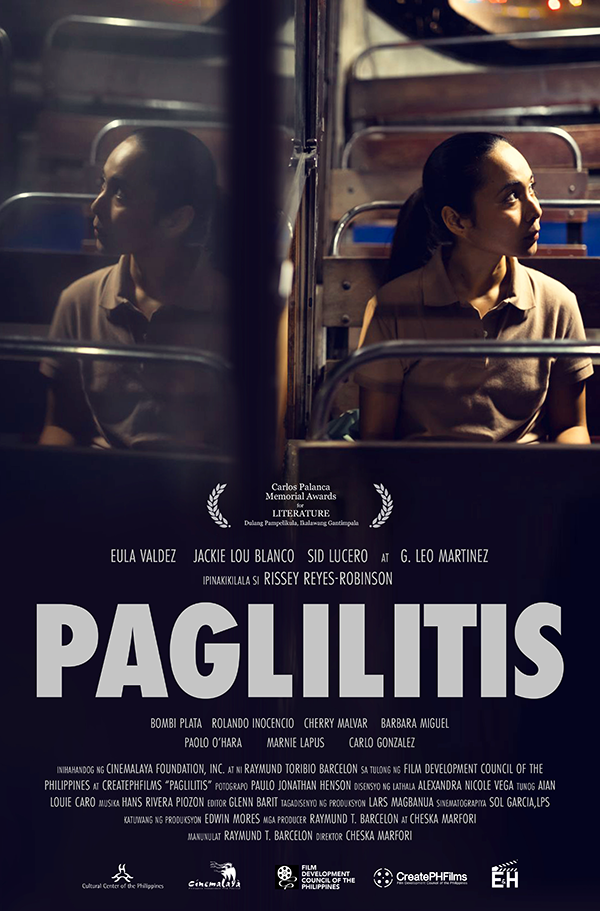
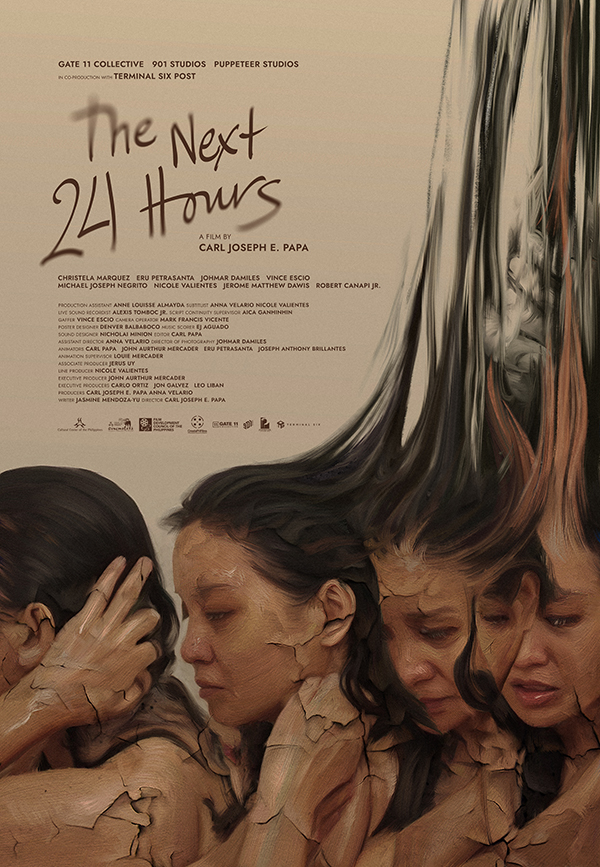
The initiative opens on November 25, the first day of the 18-Day Campaign, with free screenings of two Cinemalaya films, Paglilitis and The Next 24 Hours, at SM Manila starting at 8 a.m. The activity, organized in partnership with the City Government of Manila, will serve as the program’s national kickoff.
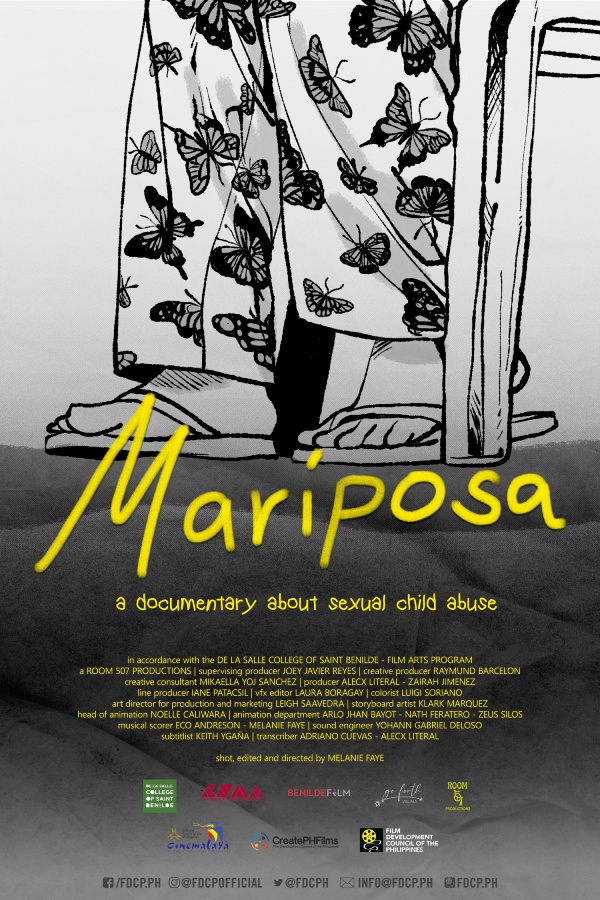
As part of its community outreach, CineBabaylan will also bring its screenings to the University of the Philippines Visayas on December 2, featuring Mariposa and Bagahe. Both films will be screened as part of the initiative’s localized engagements, extending conversations on VAW prevention and awareness to academic and community audiences.
Beyond film screenings, the initiative creates spaces for audiences to reflect on these realities, understand the social attitudes that enable violence, and identify practical ways to help prevent and respond to VAW.
“Cinema has the power to do more than tell stories. It can open conversations, deepen empathy, and inspire change. Through CineBabaylan, the CCP hopes to harness the arts to raise awareness about violence against women and encourage communities to turn understanding into meaningful action toward a safer society for all,” said CCP President Kaye Tinga.
Drawing inspiration from the babaylan, a respected figure in precolonial Philippine communities associated with knowledge, healing, guidance, and community well-being, the initiative underscores the role of collective responsibility in protecting the safety and dignity of women. Rather than representing a single individual, the spirit of the babaylan reflects a community’s shared commitment to listen, learn, care, connect, and act.
CineBabaylan follows a five-step framework: Pelikula (Film), which opens conversations through storytelling; Pagninilay (Reflection), which encourages audiences to examine their thoughts and feelings after watching; Pag-unawa (Understanding), which contextualizes the issues through expert discussions; Pagkilos (Action), which translates awareness into practical responses; and Pag-asa (Hope), which emphasizes the possibility of creating safer and more respectful communities through collective action.
The Cinemalaya full-length film Paglilitis, directed by Cheska Marfori and Raymund Barcelon, follows a woman who has withdrawn from society after years of workplace sexual harassment. Persuaded by a lawyer to file a case against her former employer, a powerful company CEO, she initially finds hope in the support she receives online. However, the same social media platform soon turns against her, exposing the challenges survivors face in seeking justice and navigating public scrutiny.
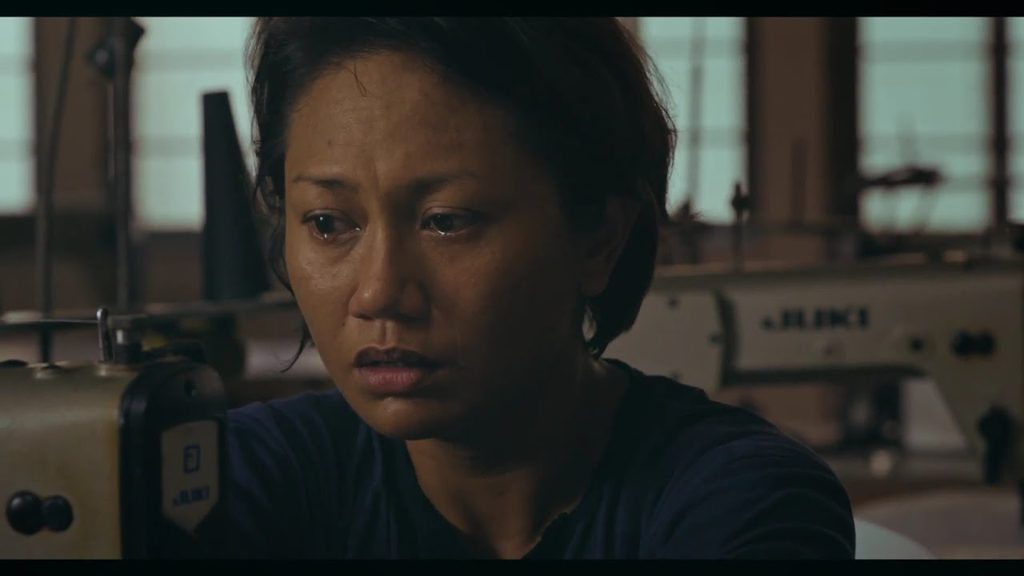
The Next 24 Hours by Carl Joseph Papa, meanwhile, tells the story of a 29-year-old woman who navigates the immediate aftermath of a sexual assault. Over the course of a day, she confronts a detached healthcare system, conceals her trauma at work, and resists her assailant’s manipulation as she struggles to reclaim control of her body, life, and safety.
As part of its community outreach, CineBabaylan will also bring its screenings to the University of the Philippines Visayas on December 2, featuring Mariposa and Bagahe. Both screenings will also be accompanied by post-screening talkbacks.
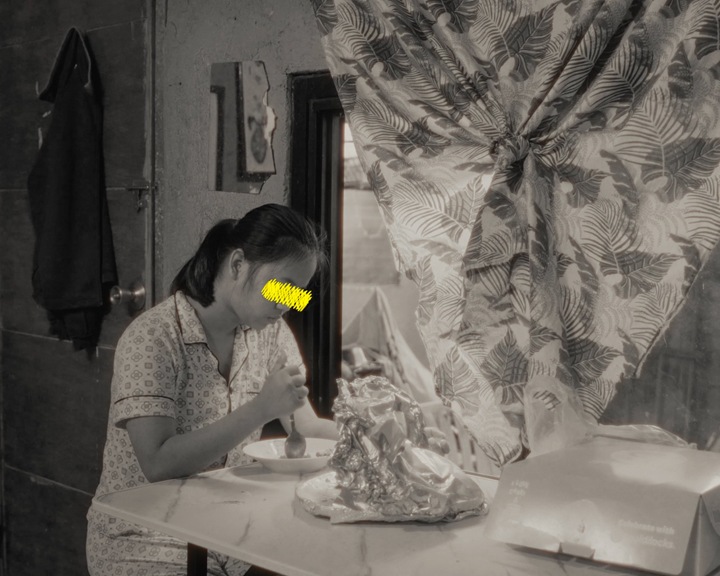
The short film Mariposa by Melanie Faye Tampos centers on a young survivor of sexual abuse and exploitation who begins rebuilding her life while staying at a protective facility. After graduating from junior high school, she prepares to transition into a new chapter as a senior high school student. However, ongoing legal cases against her abusers threaten to bring back the painful experiences she hopes to leave behind.
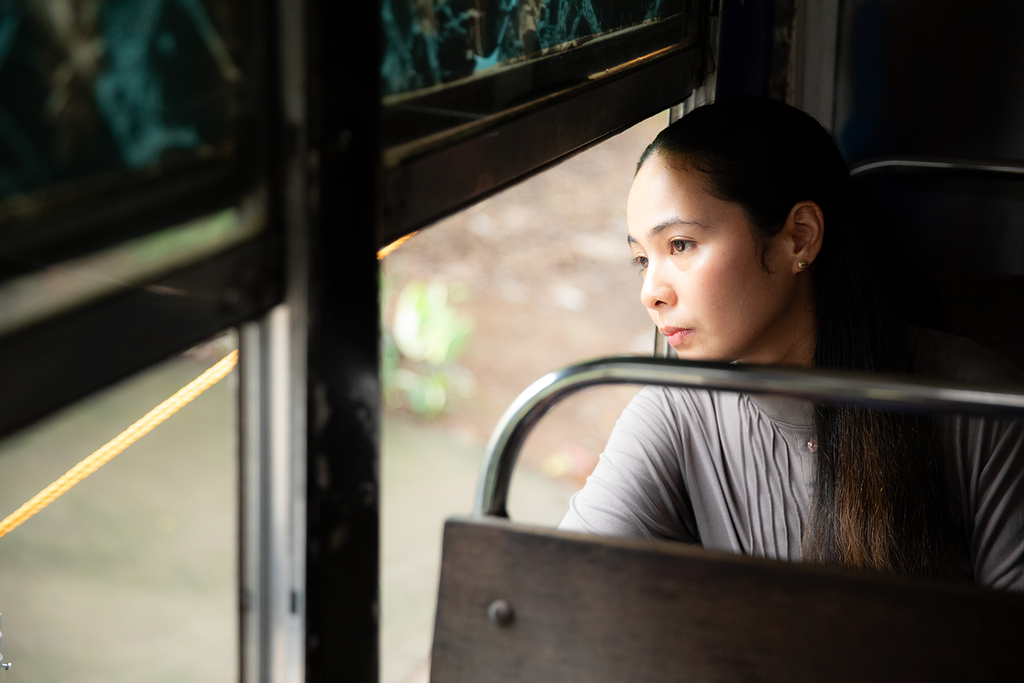
Bagahe by Zig Dulay tells the story of an Overseas Filipino Worker (OFW) whose homecoming is interrupted when authorities investigate her connection to a newborn found abandoned in an airplane toilet. As she is passed between various institutions, including the police, hospitals, and social services, the circumstances surrounding her situation reveal the abuse she endured and the challenges of seeking care and protection.
Beyond its initial screenings, CineBabaylan encourages government agencies, schools, universities, local government units, and civil society organizations to host localized screenings. Through these community-based engagements, the initiative hopes to extend its reach and encourage more Filipinos to take part in conversations and actions toward a VAW-free Philippines.
Each CineBabaylan screening is designed to be accompanied by a one-hour moderated talkback session bringing together filmmakers, male anti-VAW advocates, and expert resource persons. Through these discussions, participants can connect the films’ narratives with real-life experiences and learn about relevant laws, government services, and community-based mechanisms for preventing and responding to violence against women.
Interested government agencies, schools, universities, local government units, and civil society organizations may submit their booking requests through the CineBabaylan Screening Request Form at https://bit.ly/
Applicants may select their preferred screening dates between November 25 and December 12, 2026. All screening schedules are subject to confirmation by the Cultural Center of the Philippines and the conditions for authorized film usage.

Started in 1927, the Philippines Graphic is the longest-running printed magazine of national circulation that provides relevant news and features and promotes Philippine literature.