
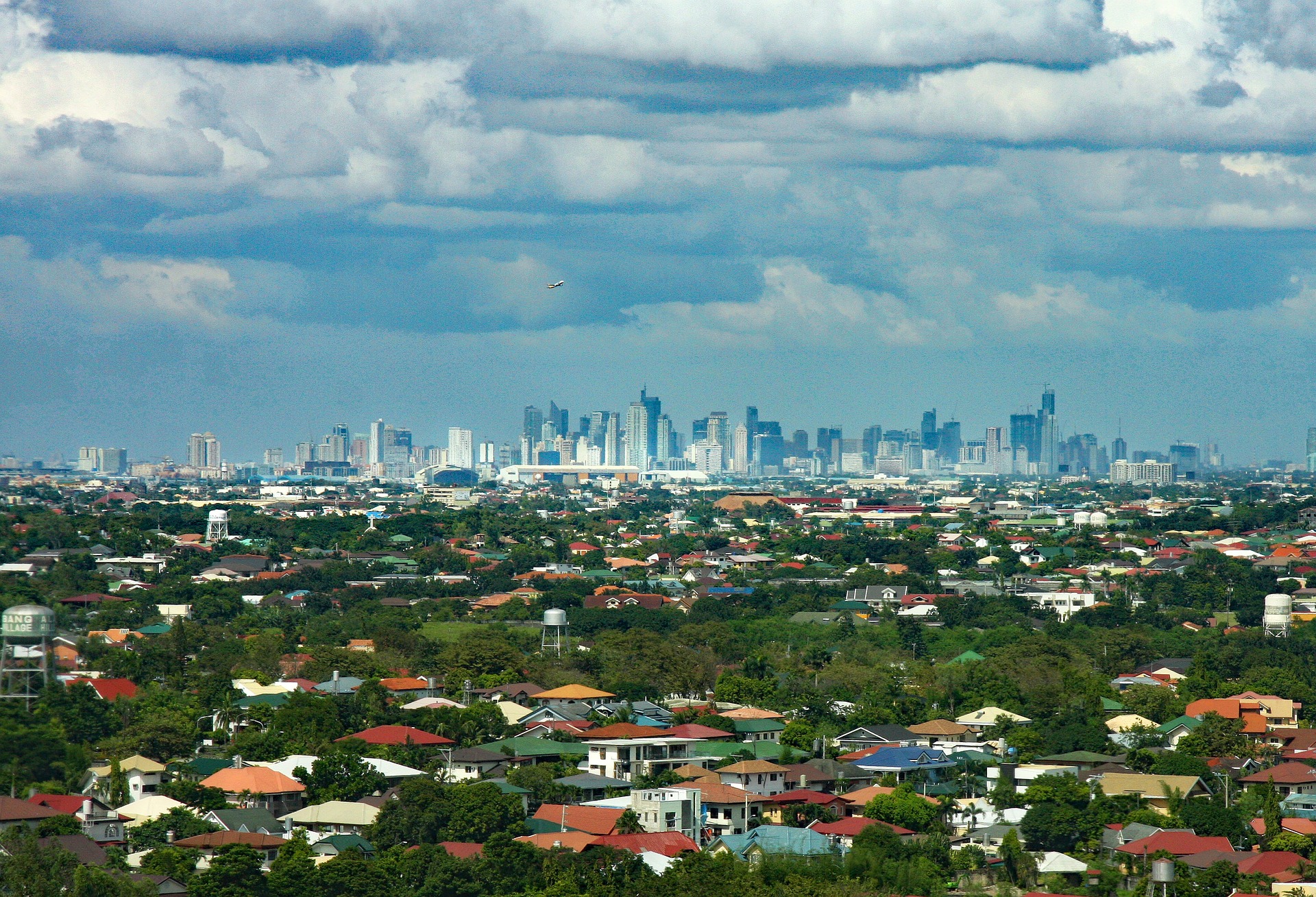
Metro Manila’s forecast of becoming a global power city is challenged by the consequences of rapid urbanization.
The UN-Habitat lists the effects of climate change, natural disasters that hamper urban infrastructures and city competitiveness, unequal livability, job creation, and poverty reduction.
Is there a way out of Metro Manila’s challenges?
Architect and urban designer Chintan Raveshia, and urban planner and sustainability consultant Tony Chan of Singapore-based Arup emphasize urban development should also consider people’s aspirations, its changing needs and expectations, and the national identity of the residents.
Finding the identity of the city
Raveshia inspires responsible stakeholders to ask themselves first the most fundamental question: “What’s the identity of the city and how do we make its residents proud?”
He quipped, “Singapore, a city that is high on everyone’s liveability list, is also working with citizens and grassroots organizations to inculcate a sense of ‘lovability’ for the city. This helps to strengthen the societal bond, increase equity, improve community safety, and exude pride and a feeling of ownership of the city amongst the residents. The balance of liveability, efficiency, and lovability paves the way for a true success of our cities in this climate emergency era”.
For his part, Chan believes that a successful sustainable urban development goes hand in hand with the capability to enhance people’s quality of life.
“We must develop and harness models of development that have low-carbon targets, which are also of a human scale, thriving and inclusive; models that are also just, secured and enhances the quality of life for all its residents. In addition, we should look at creative ways to increase local citizen participation as well as new technologies or products that can support the overarching vision and development objectives”, said Chan.

If Singapore reclaims lands for more affordable housing and increased integrated city developments and Melbourne builds accessible green spaces to promote social interaction, what plans would best fit Metro Manila’s sustainable and livable future while maintaining its identity?
Here are five urban development aspirations Filipinos hope for the country’s main political and economic hub.
1. Accessibility across all social classes
While Metro Manila is the Philippines’ major economic driver – accounting for 32% of the country’s gross domestic product (GDP) – it’s often challenged in sustaining accessible living conditions for residents across all social classes.
UK-based The Economist Intelligence Unit (EIU) ranked Metro Manila 105th out of 139 cities in the Global Liveability Index 2022.
The increasing population density in Metro Manila has resulted in some inconveniences in daily conditions like vehicular traffic situations, least green open spaces, high carbon footprint, inaccessibility to affordable housing, and unequal income opportunities.
Urban planners and developers suggest mixed-use planning in the metropolis and coastal developments because they are crucial to achieving the 15-minute concept.
Here, residents across all walks of life are encouraged to live a healthy, affordable, and sustainable lifestyle because residential, commercial, and office spaces are integrated within a single development.
2. Open green spaces for a healthy and sustainable living environment

Studies shows that Metro Manila has only 5 square meters of green space available per person, this number is well below the 9 square meters set by the World Health Organization.
COVID-19 had the entire world reassess their health conditions, lifestyle practices, and environmental situations.
The impact was even more drastic in Metro Manila due to population density, crowded space, and insufficient parks and open areas.
Aside from improving air quality and enhancing biodiversity, green spaces also moderate temperatures during the warm season.
3. Enhancing Human health and wellbeing
Cities with sufficient healthcare facilities, access to health coverage, and infrastructures that enhance well-being and promote a healthy lifestyle, produce prosperous societies.
The way cities are planned, designed, and executed has a crucial impact on how people live as it presents opportunities and effects on their lifestyles and overall well-being.
While there is evident progress in Metro Manila’s health sector, rapid urbanization continues to pose risks in communities due to challenges in overcrowded neighborhoods, vehicular emissions, heavy traffic, pollution, and flood-prone areas.
4. Resilient community
Resilience is the capacity of individuals, communities, and systems to adapt, survive, and grow in the face of stress and shocks, and even transform when conditions require it.
Relevant dimensions under the City Resilience Index (https://www.cityresilienceindex.org) by the Rockefeller Foundation & Arup, other dimensions include Health & Well Being, Economy & Society, Infrastructure & Environment as well as Leadership & Strategy
As Philippines and Manila grows, we face a dual challenge of adapting to climate change and the need to alter development strategies that are increasingly contributing to global warming.
Philippines is among the top 10 countries in the world most affected by climate change in the past 20 years, according to the Global Climate Risk Index.
As an archipelago, impacts resulting from climate change are immense.
In addition, metro Manila’s safety and resilience are endangered by various natural disasters.
Natural disasters persist every season due to our geographical location.
Well-planned and executed urban designs have the power to build safe and resilient communities in Metro Manila.
Infrastructures like proper bike lanes and walkable streets ensure residents’ safety, accessibility, and comfort, whereas science and technology-based solutions that can build flexible structures, multi-use systems, and technologies can help residents adapt and prepare for changing conditions.
5. Global and competitive city

Metro Manila is one of Asia’s premier regions.
As the country’s engine growth driver, it has growing investments in infrastructures and multitudes of business investments and developments.
The metropolis’ rising potential can further step up by following global models like Singapore, Melbourne, and Hong Kong which created several integrated cities and coastal developments that ushered in a vibrant economy and paved for a better urban lifestyle.
These visions create an avenue to further increase opportunities for jobs, better education, better lifestyle, and bustling economic activities.
These can contribute to the Philippines’ national and local economies by driving tourism and infrastructure development while also creating equitable and inclusive communities.
These, in turn, create a wider room of opportunities and, therefore, attracts more talent.
Building inclusive and sustainable growth centers
When all stakeholders are listened to and addressed, communities will be energized when introduced to well-designed, master-planned and implemented developments.
This will result to a lasting impact on Metro Manila’s future and its residents because it fosters more inclusive growth and makes the urban landscape an extension of their home.
When a city embraces its history, celebrates its milestones, innovates and adopts for the future, and most importantly, nurtures its residents and responds to their aspirations – it is a city working toward competitiveness and unlocking future potential.
How about you?
What would you aspire your city to be?

Started in 1927, the Philippines Graphic is the longest-running printed magazine of national circulation that provides relevant news and features and promotes Philippine literature.