

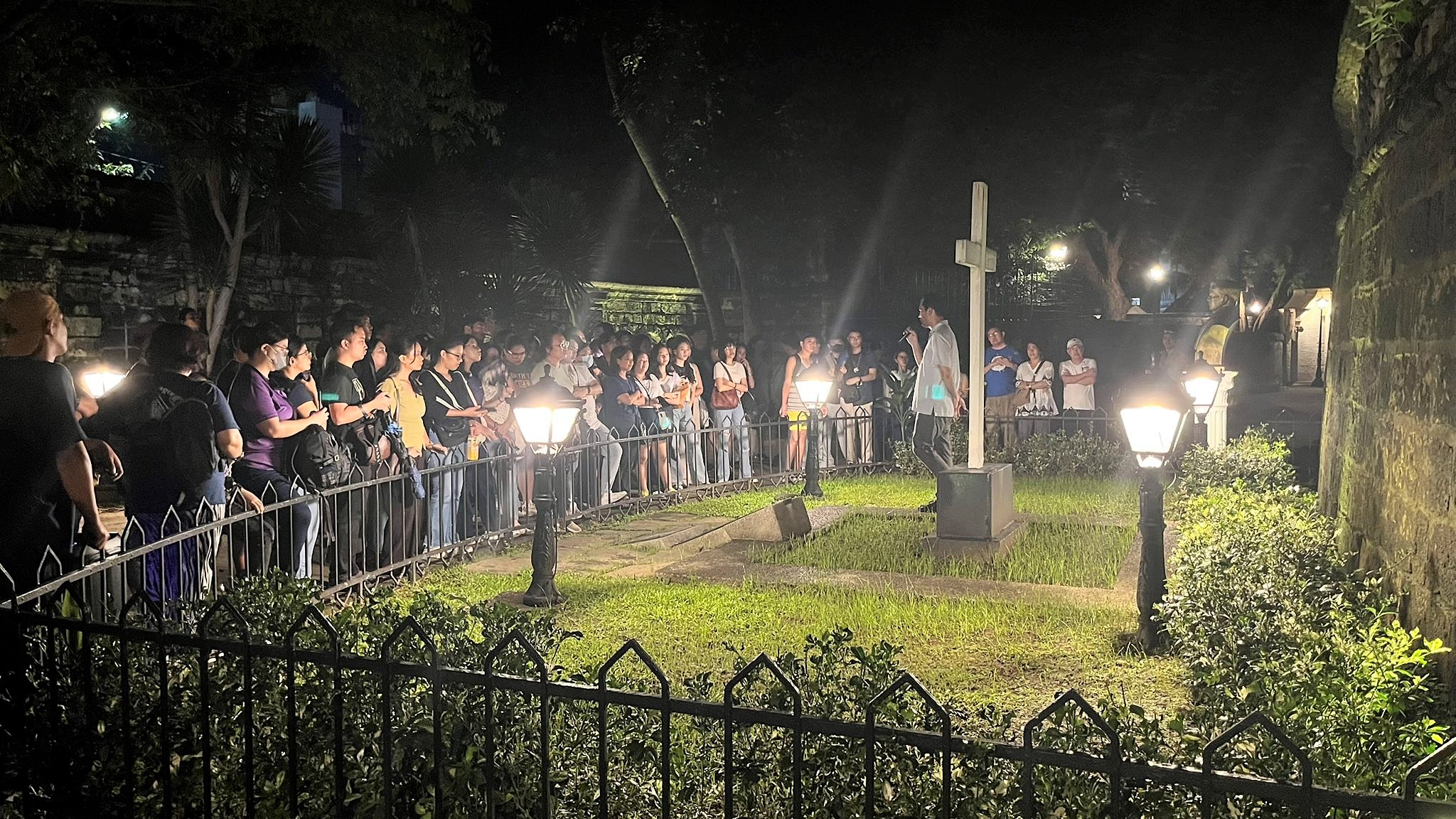
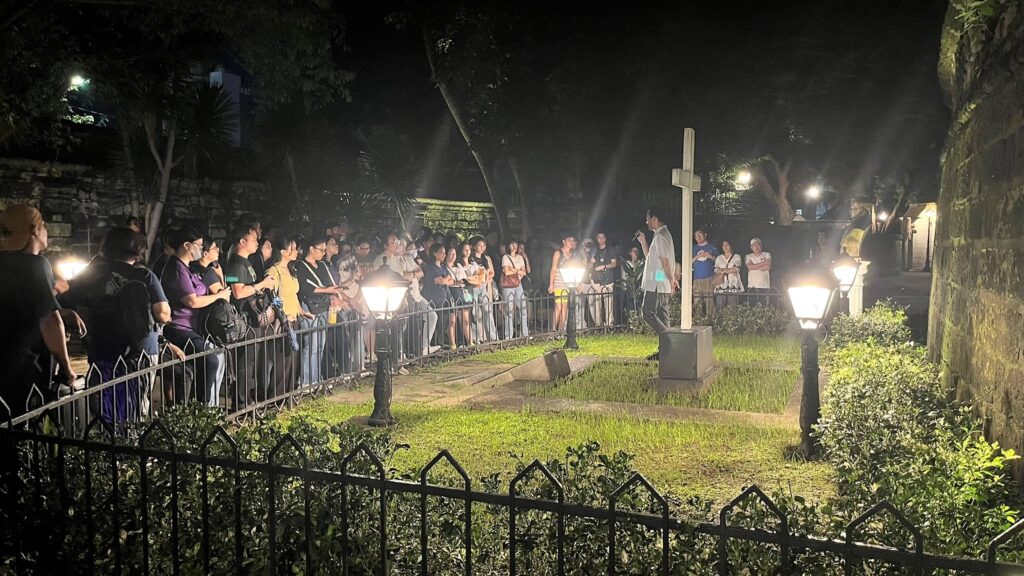
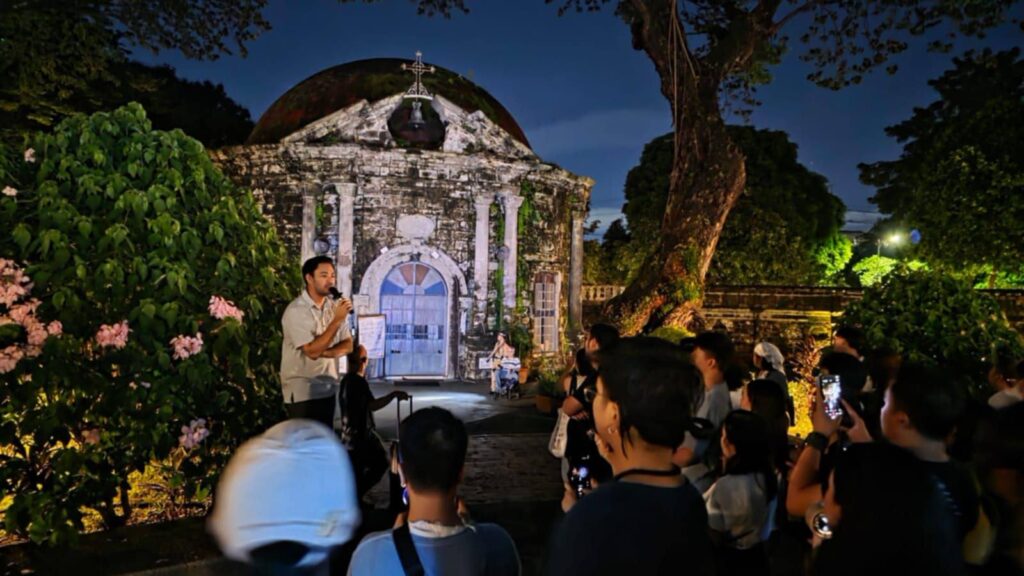
Last October 31, the National Parks Development Committee gave visitors a unique – and perhaps chilling – opportunity to explore the history and mystery of Paco Park with a special, one-night-only walking tour.
Dubbed “Paco Park sa Dilim,” the event was facilitated by NPDC Deputy Executive Director Jezreel Gaius Apelar.
Tour participants bravely traversed the grounds at night, uncovering the park’s past and tracing its journey from a somber burial ground to a beloved spot for recreation and reflection.
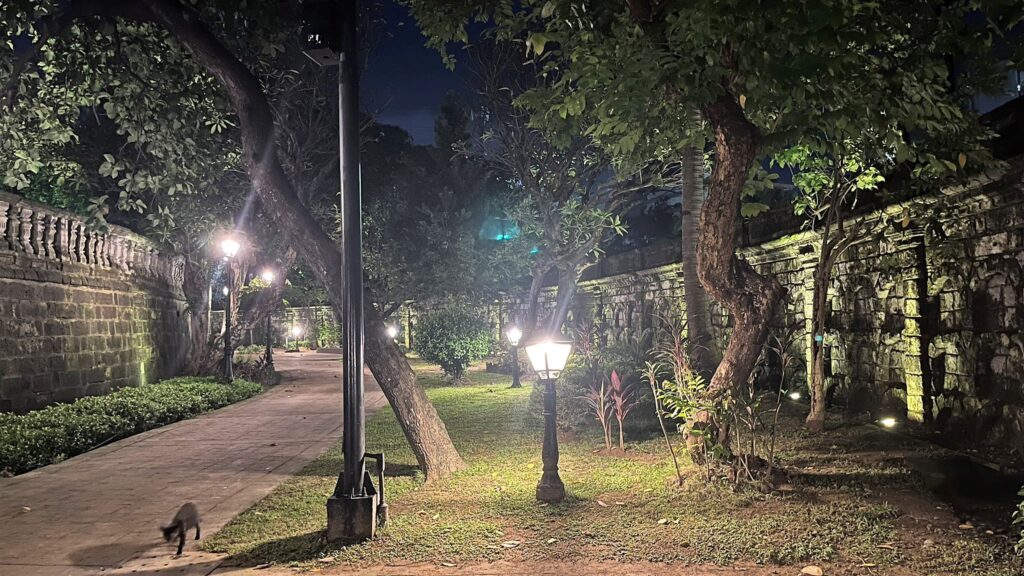
Located at General Luna St. and the east end of Padre Faura St. in Paco, Manila, the park was originally known as Cementerio General de Dilao.
Apelar revealed it was built as a cemetery for victims of a devastating cholera outbreak during the Spanish colonial period. Many Spanish and Filipino aristocrats were buried there before the land was reclaimed and transformed into a national park in 1966.
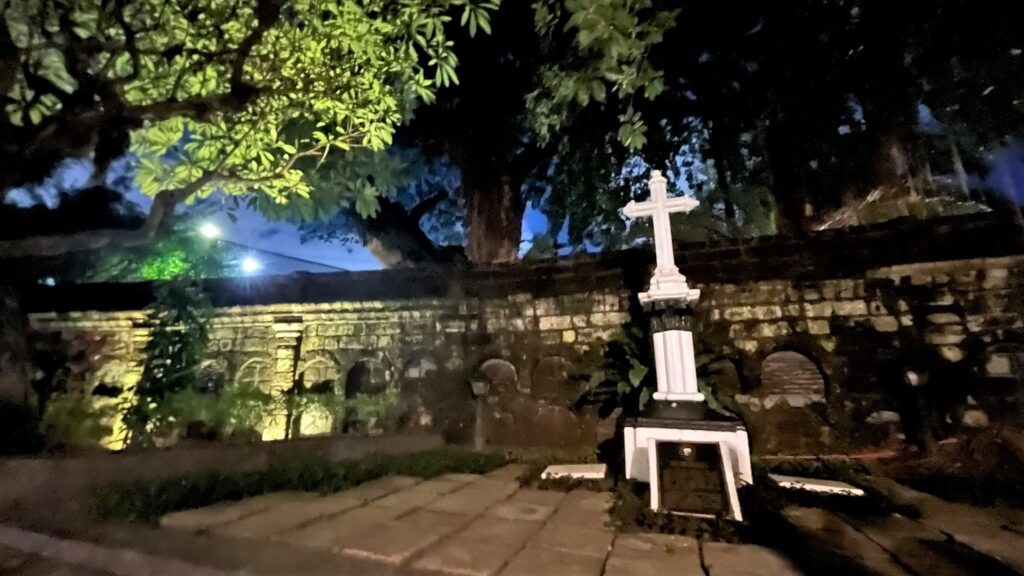
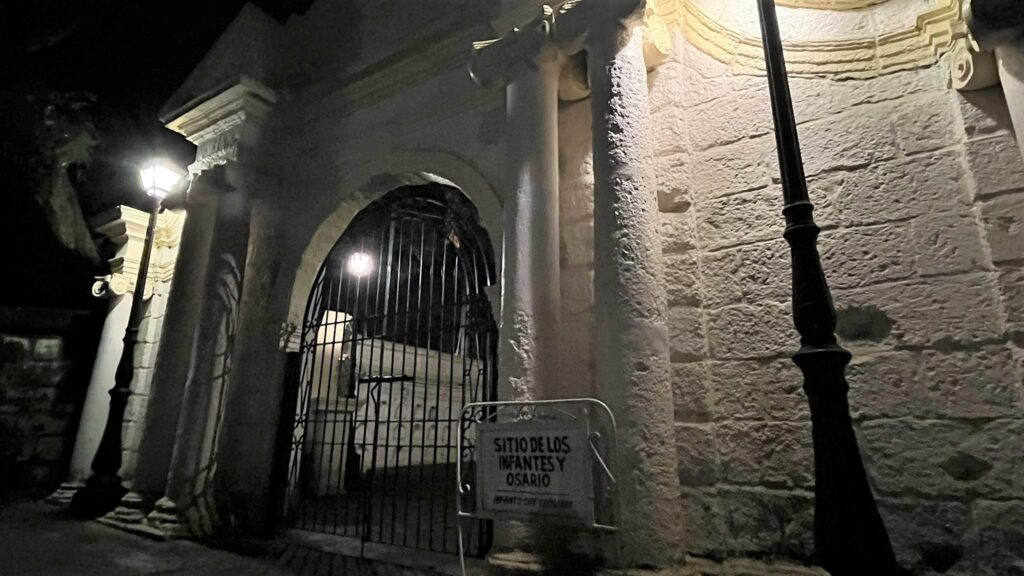
The circular, one-hectare recreational garden is now considered a symbol of contemporary Filipino landscape architecture, thanks to improvements spearheaded by National Artist for Architecture Ildefonso P. Santos Jr.
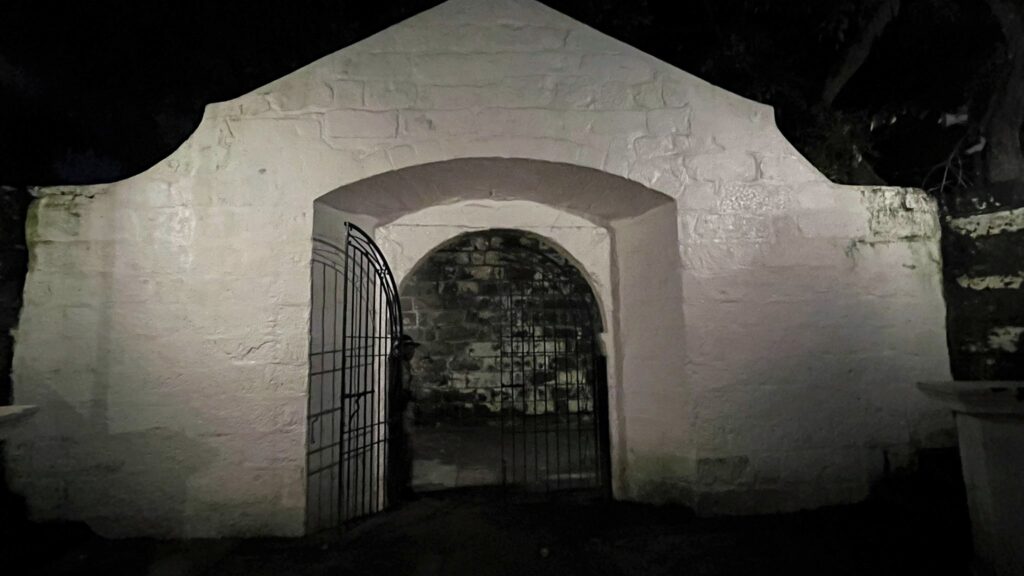
The circular shape features two forts: an inner one – the original cemetery – with hollow walls that served as niches, and a later, outer wall of thick adobe that was converted into pathways. The thick walls still contain burial vaults, some of which are occupied.
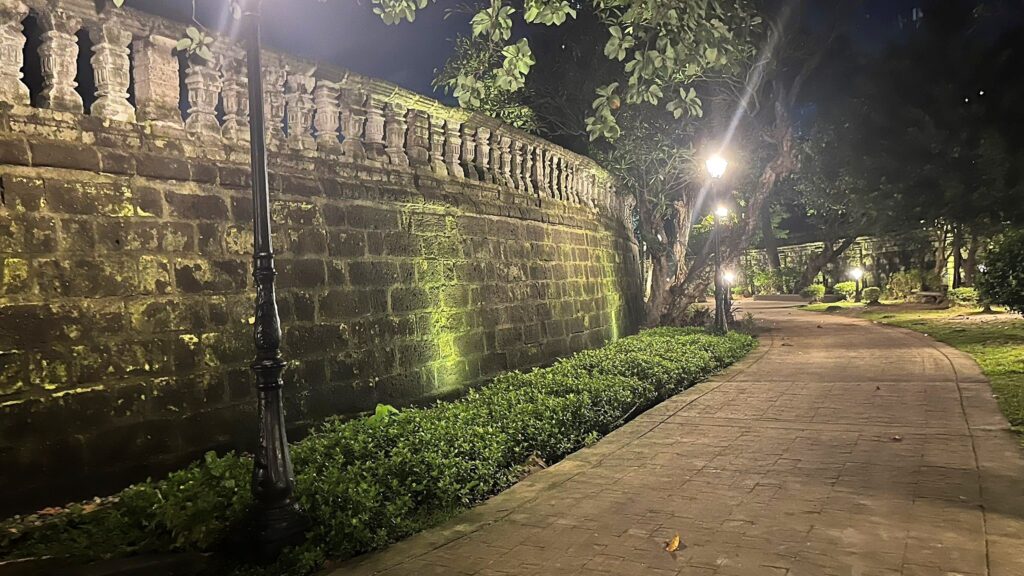
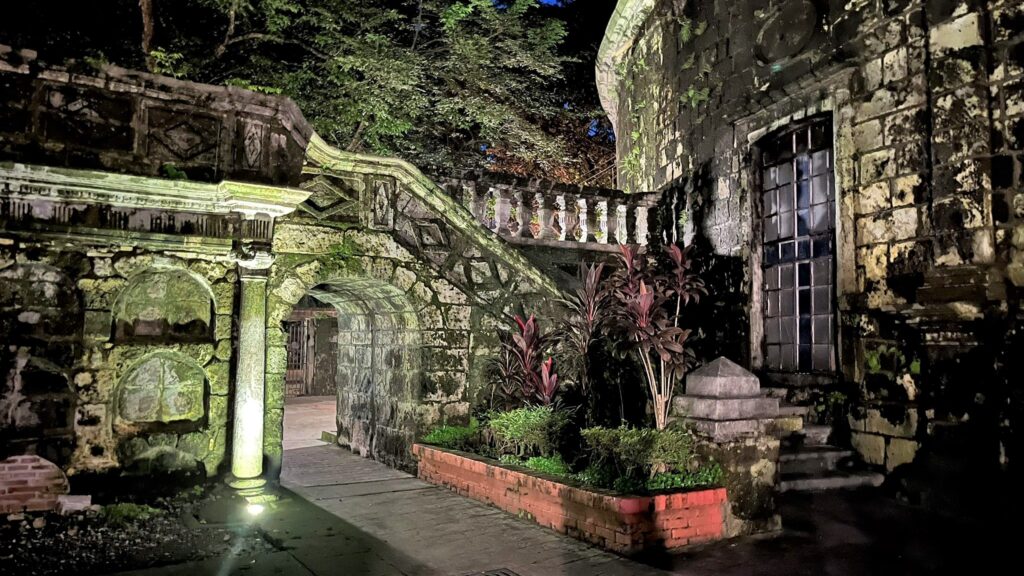
During the walking tour, Apelar shared tales of the historical figures connected to the grounds. Most notably, the original burial spot of the Philippines’ national hero, Dr. Jose P. Rizal, was a key stop.
Following his execution at Bagumbayan on December 30, 1896, Rizal’s remains were interred here until August 17, 1898, when they were exhumed. They were later reinterred at the monument in Rizal Park Luneta on December 30, 1912.
The park also holds the tragic history of the three martyr priests, Fr. Mariano Gomez, Fr. Jose Burgos, and Fr. Jacinto Zamora – collectively known as GomBurZa. They were executed and buried on the cemetery grounds on February 17, 1872, after being falsely accused in connection with the Cavite Mutiny.
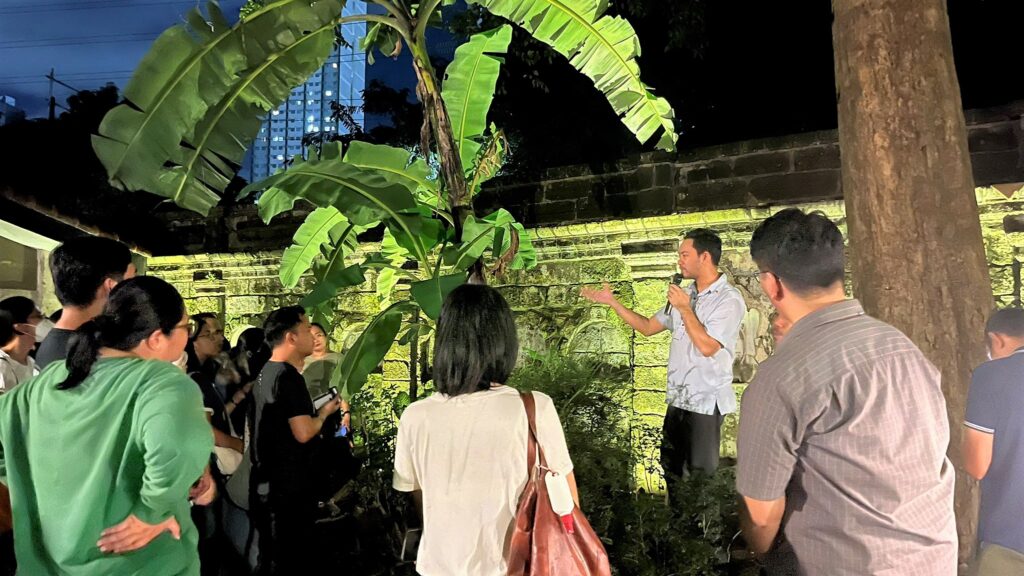
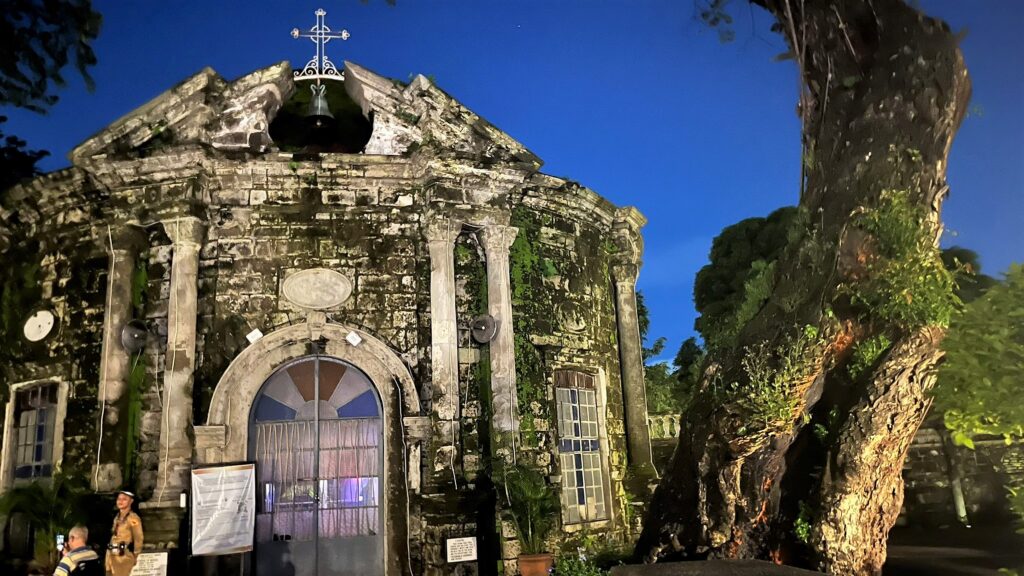
The tour began at the park’s center and proceeded to the St. Pancratius Chapel, which is managed by the San Vicente de Paul Parish and the Vincentian fathers from the nearby Adamson University.
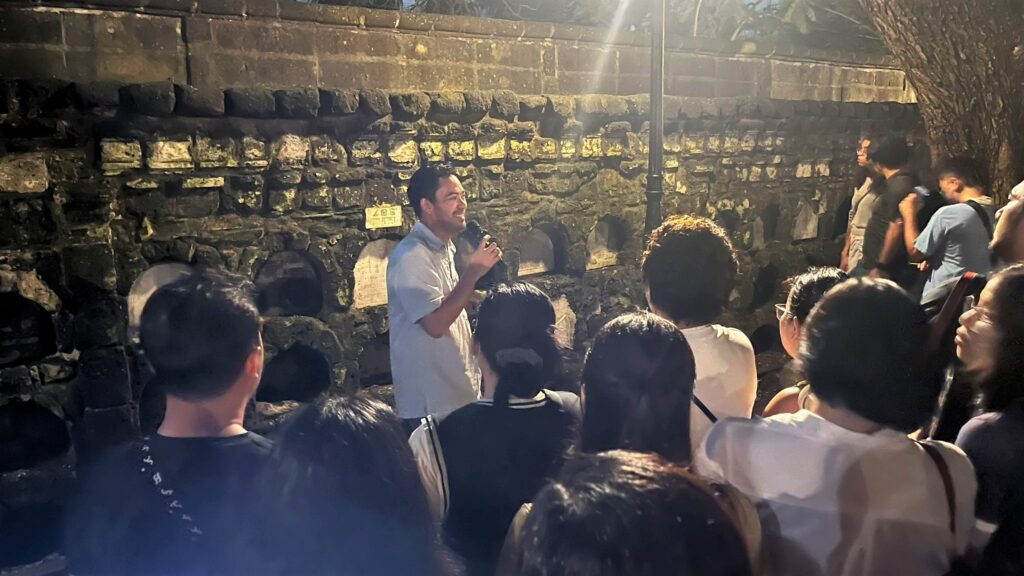
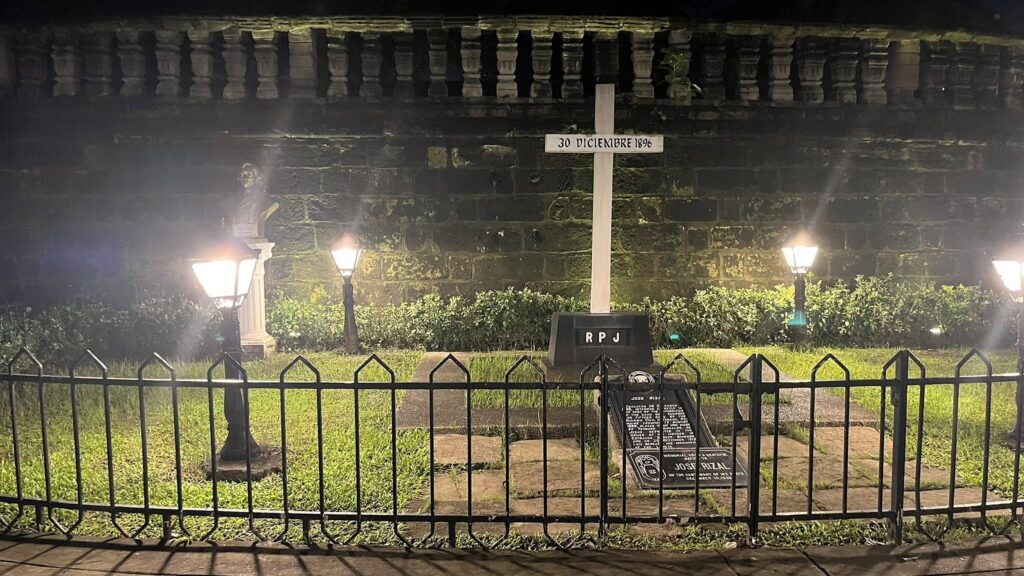
Today, Paco Park, which the NPDC (an agency of the Department of Tourism) is mandated to develop and manage, is far more than a historical monument. It’s a favorite backdrop for modern-day Manila.
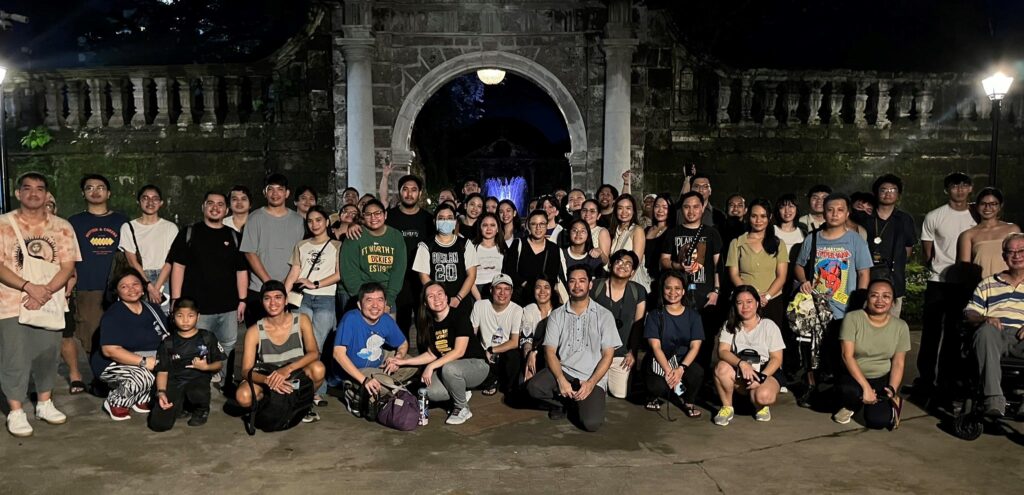
The beautiful circular park has become a popular location for wedding and prenuptial photoshoots. It also serves as a vibrant venue for cultural programs, free concerts, TV/film shootings, private gatherings, and even rehearsals for school performances. Whether you’re a history buff or a couple looking for a romantic setting, Paco Park offers an intriguing blend of the past and the present. — SEYMOUR B. SANCHEZ

Started in 1927, the Philippines Graphic is the longest-running printed magazine of national circulation that provides relevant news and features and promotes Philippine literature.