

Every glass of drinking water begins with questions that many households may not always consider: Where does the water come from? Is it safe to drink?
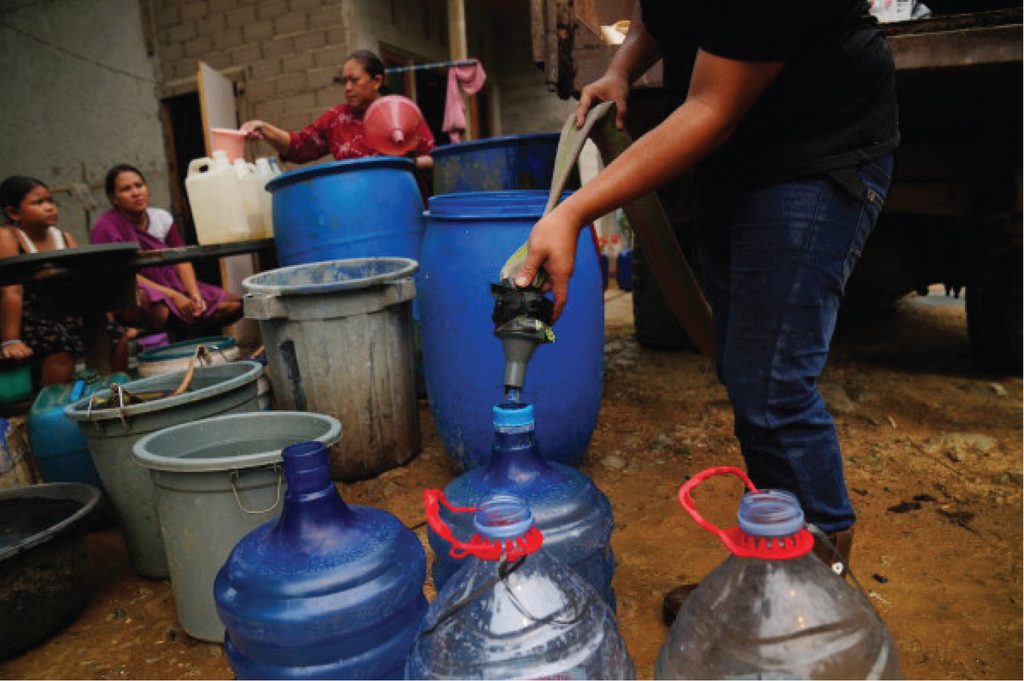
For Filipino families, getting drinking water is part of an everyday routine. Some rely on water refilling stations, others use piped water, and many households have their own ways of storing and preparing water for consumption. Yet access to a water source and access to safely manage drinking water are not necessarily the same thing.
The Philippine Statistics Authority’s 2024 Annual Poverty Indicators Survey (APIS), released in June 2025, found that 98.4 percent of Filipino families used an improved source of drinking water.
However, only 53.1 percent had access to a safely managed drinking water service under the survey’s classification. Water refilling stations were the most common source, used by 57.9 percent of families. The survey also found that 85.3 percent of families did not apply any method to their drinking water to ensure its safety.
These figures reveal a more complicated picture of household water access. While most families reported using improved sources, questions about water availability, treatment, and safety remain relevant. The distinction matters because an improved source does not automatically guarantee that water is free from contamination.
The World Health Organization and UNICEF define safely managed drinking water as water from an improved source that is accessible on premises, available when needed, and free from contamination. This standard places water quality alongside the reliability and accessibility of the supply.
For households, the issue extends beyond the act of turning on a tap or filling a container. Water must be available for daily consumption, and families need to understand what measures are appropriate for their particular water source.
RETHINKING WATER IN THE HOUSEHOLD
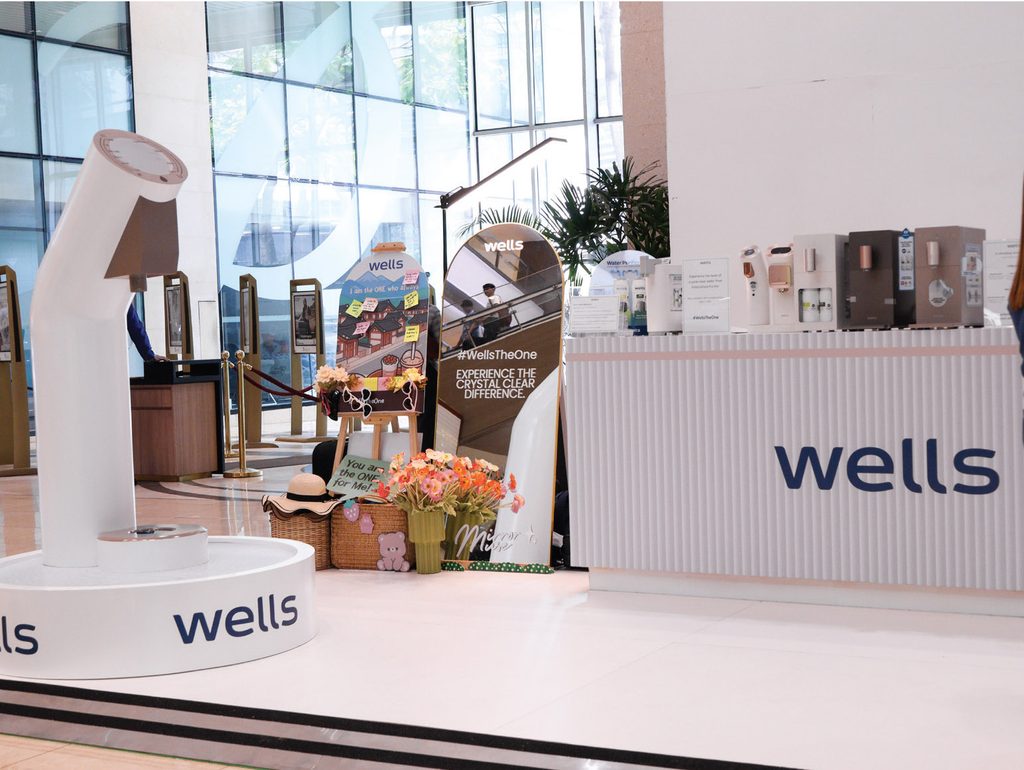
These concerns formed a relevant backdrop to “PureWells: The Crystal Clear Experience,” a three-day activation organized by Wells Philippines at Shangri-La Plaza Mall from October 16 to 18, 2026.
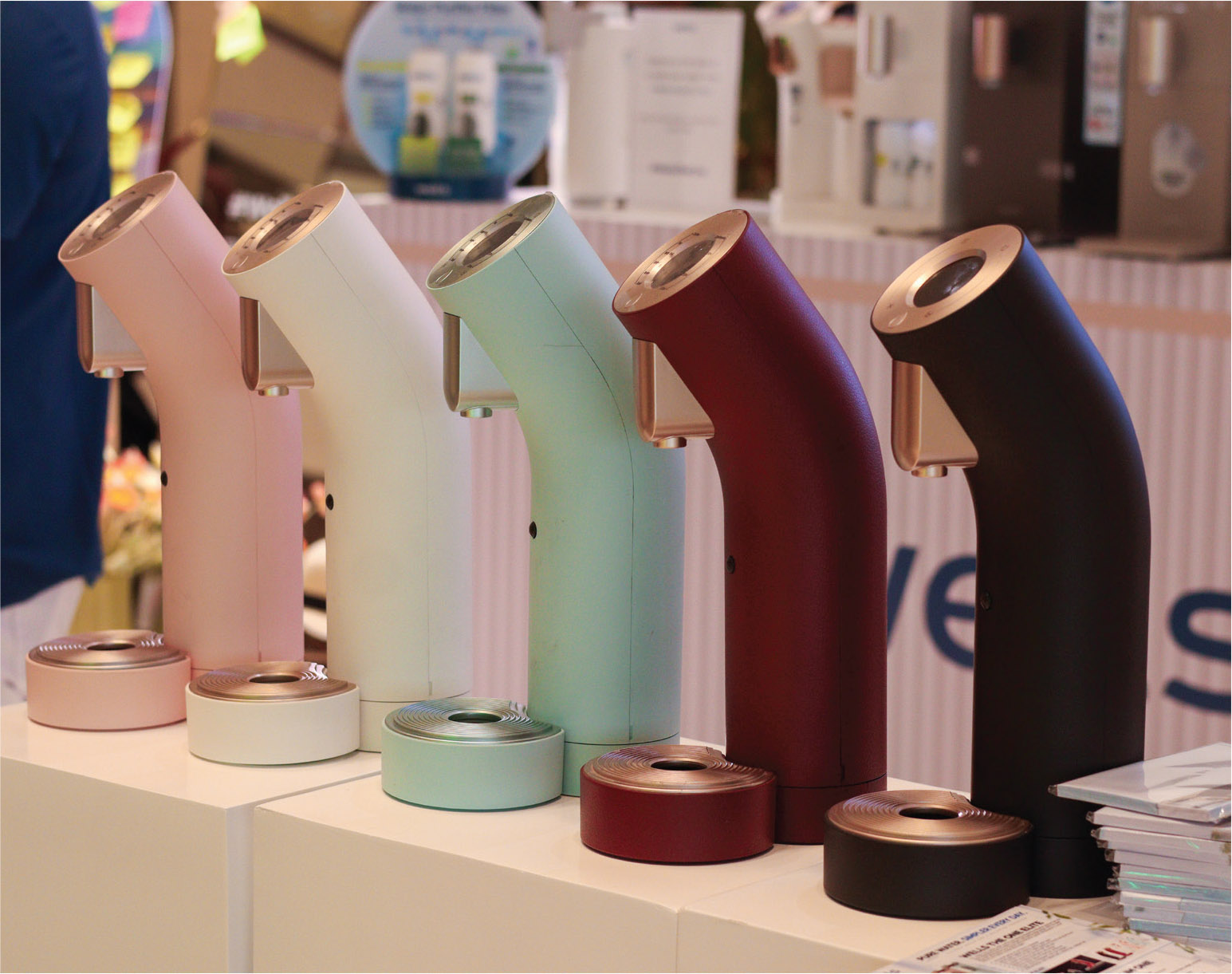
The showcase presented the brand’s water purification systems and dispensers in a public setting, giving shoppers an opportunity to examine the appliances up close. The lineup included units in different sizes, colors, and finishes, bringing together practical household equipment and contemporary appliance design.
Wells, a Korean lifestyle brand established in 2002, offers water-related appliances intended for domestic use. Its presence at the activation placed water purification within a broader conversation about how households manage everyday essentials, from food preparation to drinking water.
For consumers considering a water purifier, the choice involves more than its appearance or position in the kitchen. The type of filtration used, the contaminants a particular model is designed to reduce, filter replacement schedules, and maintenance requirements are important factors to examine. The appropriate solution also depends on the household’s existing water supply and its specific needs.
A purifier should not be treated as an automatic guarantee of safe water. Its effectiveness depends on the technology used, the condition of the appliance, and whether it is properly installed and maintained. Consumers should consult product specifications and, where necessary, seek reliable information about their water supply before deciding which treatment method is appropriate.
At the Shangri-La Plaza showcase, the different appliances provided a visual introduction to the range of water solutions available to households. The display also offered a way to consider how such equipment fits into domestic spaces, where convenience, available counter space, and ease of maintenance can influence purchasing decisions.
FROM ACCESS TO INFORMED CHOICES
The Philippine Statistics Authority’s findings also highlight differences in drinking water access across the country. In 2024, 85.5 percent of families in the National Capital Region had access to safely managed drinking water services, compared with 14.8 percent in the Bangsamoro Autonomous Region in Muslim Mindanao.
These regional differences underscore why water safety cannot be reduced to a single household appliance or consumer choice. Reliable water infrastructure, monitoring, and access to appropriate treatment remain important to ensuring that families can obtain water that meets safety standards.
For individual households, however, understanding the water they consume is a practical starting point. Families can learn about their water provider’s quality reports, follow local health advisories, and identify whether additional treatment is needed. Any treatment system they choose should be suited to the quality of their source water rather than selected on appearance or marketing claims alone.
Through “PureWells: The Crystal Clear Experience,” Wells Philippines brought its water purification products into a familiar public space, inviting consumers to take a closer look at the equipment designed for home use.
The activation ultimately touched on a subject that extends beyond appliance design: the place of drinking water in everyday life. A glass of water may be an ordinary part of a meal or a morning routine, but ensuring that it is safe involves informed decisions, reliable supply systems, and appropriate household practices.
As Filipino households navigate their choices, the conversation around water purification is most useful when it begins with understanding the water itself. Technology can be part of that discussion, but access to safe drinking water remains a wider concern shared by families, service providers, and communities.

Hjadoeya Calica
Hjadoeya Calica is a cinephile, reader, and a content writer for Philippines Graphic whose roots trace back to La Union and Aurora. She studied AB Literature at the University of Santo Tomas where she served as the Literary Editor for The Flame. Currently based at the heart of Makati, she finds inspiration in stories of every kind, spaces, and places.