

Content, community, and digital tools are helping MSMEs scale and create opportunities nationwide
VIA GRAPHIC PLUS — As Filipino entrepreneurs increasingly embrace digital commerce, TikTok Shop is supporting the growth of local businesses through seller education and public and private partnerships that expand opportunities for micro, small, and medium enterprises (MSMEs).
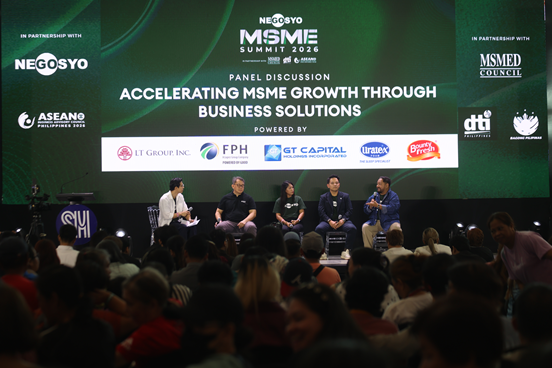
This commitment was recently highlighted through TikTok Shop’s participation in the GoNegosyo MSME Summit, where Jonah Ople, Cluster Lead at TikTok Shop Philippines, joined industry leaders in a conversation on how technology and digital commerce can support Filipino businesses. During the panel discussion, Ople emphasized the growing role of discovery e-commerce in helping MSMEs reach more customers through short-form videos, live selling, and online communities.
“MSMEs are the backbone of the Philippine economy, and many already have strong products and compelling stories to tell. The challenge today is about being discoverable in an increasingly digital-first environment,” said Ople during the panel. “Through content, creators, and live selling, discovery e-commerce is helping level the playing field for businesses of all sizes, enabling MSMEs to build trust and connect with customers in more authentic ways.”
More than 90% of sellers on TikTok Shop are local businesses, and many of these are increasingly adopting livestreaming, creator collaborations, and digital tools to engage new audiences and strengthen their online presence.
From a ₱15,000 loan to a growing Filipino brand
For 22-year-old entrepreneur Bridget Cortez, founder of contact lens brand Eyeconic (@eyeconic_ph), TikTok Shop has played an important role in the company’s growth from a small business idea into a homegrown brand. Launched in 2020 with a ₱15,000 loan from her grandmother, Eyeconic began as a side venture while Bridget was still in high school. What started as a small resale operation has since evolved into a homegrown brand that develops its own contact lens designs in collaboration with manufacturing partners, serving customers across the country and beyond.
While pursuing her degree in Business Management at the University of the Philippines, Bridget juggled classes, supplier meetings, and regular trips between Pampanga and Manila, often applying lessons from both the classroom and the workplace. The experience ultimately shaped not only her approach to entrepreneurship but also her belief that education and business can complement one another.

As consumer discovery increasingly shifts toward content-driven platforms, Eyeconic turned to TikTok Shop to reach a new generation of customers. For Bridget, the platform became more than just another sales channel–it provided a space where the brand could share its story, educate consumers about contact lenses, and build a community around authenticity and self-expression. Through short-form videos, livestreaming, and creator-led content, Eyeconic was able to expand its reach without relying on the large marketing budgets typically associated with established brands.
“What I love most about TikTok Shop is that it gives MSMEs a fair chance. We don’t need a massive marketing budget to be seen. As long as we have content that connects with people and a product that delivers, customers will naturally support us,” said Cortez.
TikTok Shop has since become Eyeconic’s primary sales channel and has supported the brand’s expansion, including the growth of its livestreaming team. According to Bridget, many of the company’s livestream hosts are students who are able to earn income while continuing their studies, creating opportunities for other young Filipinos pursuing both education and entrepreneurship.
Building sustainable livelihoods through digital commerce
For Pampanga-based Naturefood (@naturefoodorganics), digital commerce has opened new possibilities for business growth and community development. Founded in 2020 by Emmanuel Gantalao and Bryan Lagman, the company was established to create better market opportunities for Filipino farmers and producers. Beginning with honey sourced from Mangyan communities in Mindoro, Naturefood has since expanded its offerings to include a range of locally sourced products while building an integrated business model spanning sourcing, repackaging, marketing, fulfillment, and distribution.
After hearing positive feedback from suppliers and customers, Naturefood expanded to TikTok Shop and began investing more heavily in livestreaming, creator partnerships, and content creation as part of its digital commerce strategy. The company later recorded a 300% increase in sales after expanding its use of livestreaming, affiliate partnerships, and additional TikTok Shop tools.
Beyond business performance, Naturefood has used its growth to create sustainable employment opportunities within its community. The company employs more than 130 people and continues to work closely with local suppliers and farming communities. By connecting producers directly with consumers through digital commerce, the business aims to create long-term value not only for its customers, but also for the communities it serves.

“Many Filipino MSMEs already have excellent products, but they need better access to digital tools, education, and platforms that can help them reach more customers,” said Gantalao. “Through TikTok Shop, we’ve been able to connect with communities beyond our immediate area while creating meaningful opportunities for our employees, local partners, and the farmers we work with.”
Supporting the next chapter of MSME growth
As consumer behavior evolves, content, community, and collaboration continue to play an increasingly important role in digital commerce. Through investments in education, creator ecosystems, and partnerships with public and private stakeholders, TikTok Shop aims to help more Filipino MSMEs participate meaningfully in the digital economy.
Eyeconic and Naturefood are among the many local businesses leveraging these opportunities to strengthen their operations, expand their reach, and create opportunities for employment for employees, suppliers, and the communities they serve.

Started in 1927, the Philippines Graphic is the longest-running printed magazine of national circulation that provides relevant news and features and promotes Philippine literature.

.)