

VIA GRAPHIC PLUS | November 5, 2026 — The Union of Local Authorities of the Philippines (ULAP), Department of Health (DOH), World Health Organization (WHO), and Philippine Health Insurance Corporation (PhilHealth) have reaffirmed their commitment to accelerating Universal Health Care (UHC) through stronger local health systems, improved health financing, and evidence-informed local leadership.
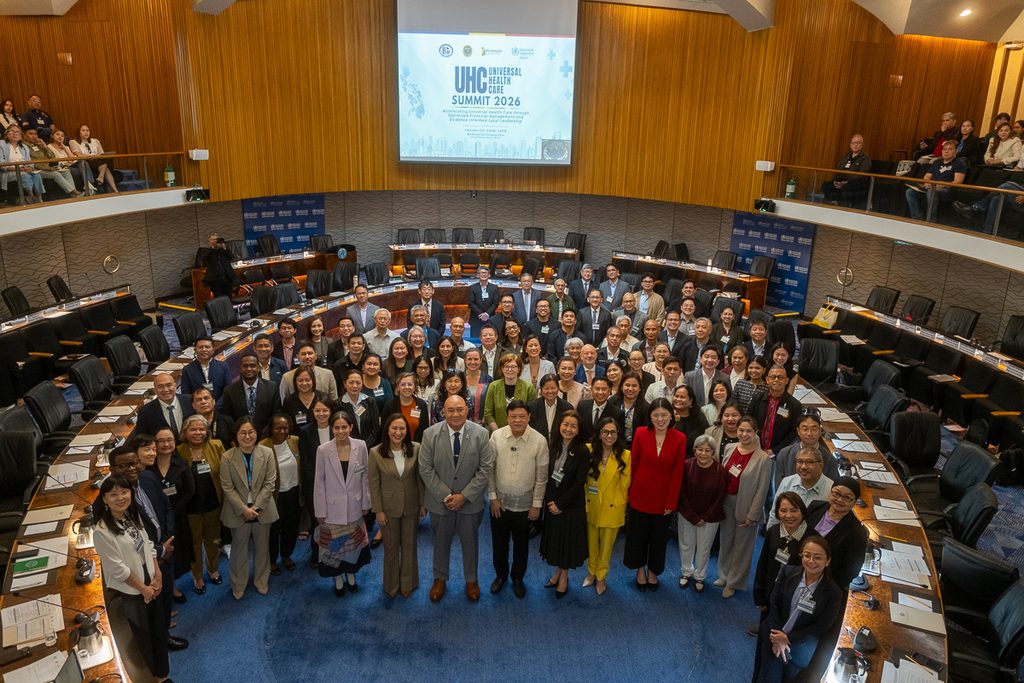
The commitment was highlighted during the High-Level UHC Summit 2026, held on November 5 at the WHO Regional Office for the Western Pacific, under the theme “Accelerating Universal Health Care through Optimized Financial Management and Evidence-informed Local Leadership.”
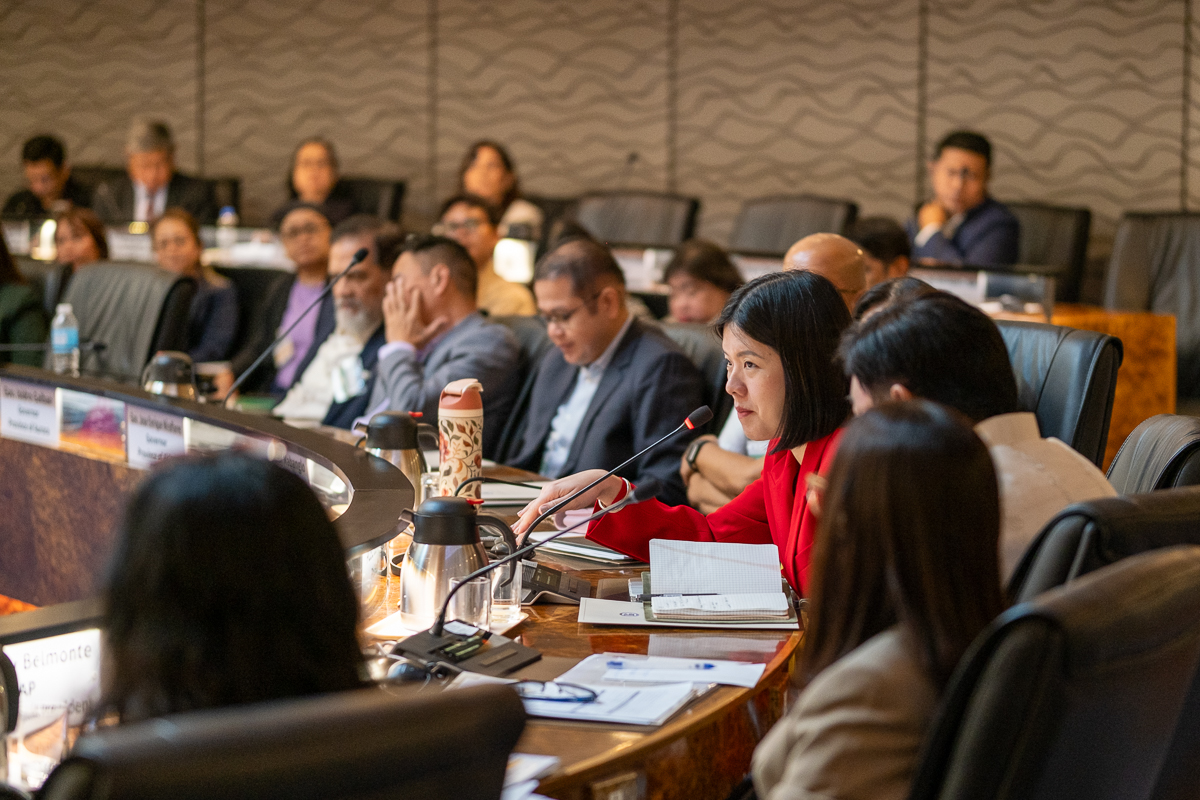
The Summit brought together national government agencies, local government units (LGUs), development partners, and the private sector to discuss the implementation of the Special Health Fund (SHF), the integration of local health systems, and more effective use of health data and resources. Participants further highlighted the need to address diverse local fiscal capacities, organizational structures, and technical needs to ensure national policies translate into accessible, responsive, and equitable services at the local level.
“Across our islands, local governments are developing practices and innovations that demonstrate what is possible when resources are managed well, when decisions are guided by evidence, and when leadership remains true to its call of an improved healthcare system,” Quezon City Mayor and ULAP Interim National President Ma. Josefina “Joy” Belmonte said in her opening remarks, emphasizing how effective local leadership, sound resource management, and evidence-based decision-making can help drive meaningful improvements in healthcare delivery.
“Ultimately, the success of Universal Health Care will not be measured by the policies or commitments we make, but by whether our people can actually feel the difference — in the health centers they visit, and in the quality of care they receive when they need it most. That is the responsibility we all share,” she added.
This was echoed by DOH Acting Secretary Edwin Mercado, who underscored the need to strengthen local governance and align national health priorities with local implementation. He emphasized that health resources must be effectively managed and utilized to bring quality, affordable, and equitable healthcare closer to every Filipino.
“The success of Universal Health Care is not measured solely by the number of integration sites or the amount of funds pooled in the SHF, but by how effectively these resources are transformed into accessible, equitable, and quality health services for every Filipino. This means strengthening primary healthcare, establishing functional referral networks, improving health facility management, and ensuring that quality health services are accessible, available, and affordable to all. Through our UNA sa Pagtutulungan, I call on our national and local government and all our health partners to translate our efforts into better healthcare services and improved health outcomes for every Filipino,” said DOH Secretary Edwin Mercado.
WHO highlighted the importance of evidence-informed local leadership in advancing UHC, emphasizing the role of reliable health data in helping local governments identify priority health concerns, address investment gaps, and make informed decisions. WHO also underscored the importance of collaboration and support across levels of the health system to strengthen local health systems and translate national commitments into better services for communities.
“Strong local leadership is essential to translating health priorities into better services for communities. Local chief executives play a critical role in planning, financing, and coordinating health services. With national governments and partners working alongside local leaders, we can strengthen health systems and accelerate progress towards Universal Health Coverage,” said Dr Saia Ma’u Piukala, WHO Regional Director for the Western Pacific.
“The Philippines has made important progress towards Universal Health Coverage, but challenges remain in ensuring that everyone can access the health services they need without financial hardship. WHO is supporting the country through evidence and technical assistance, including the development of 82 provincial health profiles to help identify gaps and inform local health priorities,” said Dr Eunyoung Ko, WHO Representative to the Philippines
PhilHealth’s role in supporting integrated local health systems was also a key focus in the Summit. Discussions featured efforts to streamline accreditation and reimbursement
processes, strengthen coordination among stakeholders to ensure that financing mechanisms are responsive to the operational needs of local health facilities.
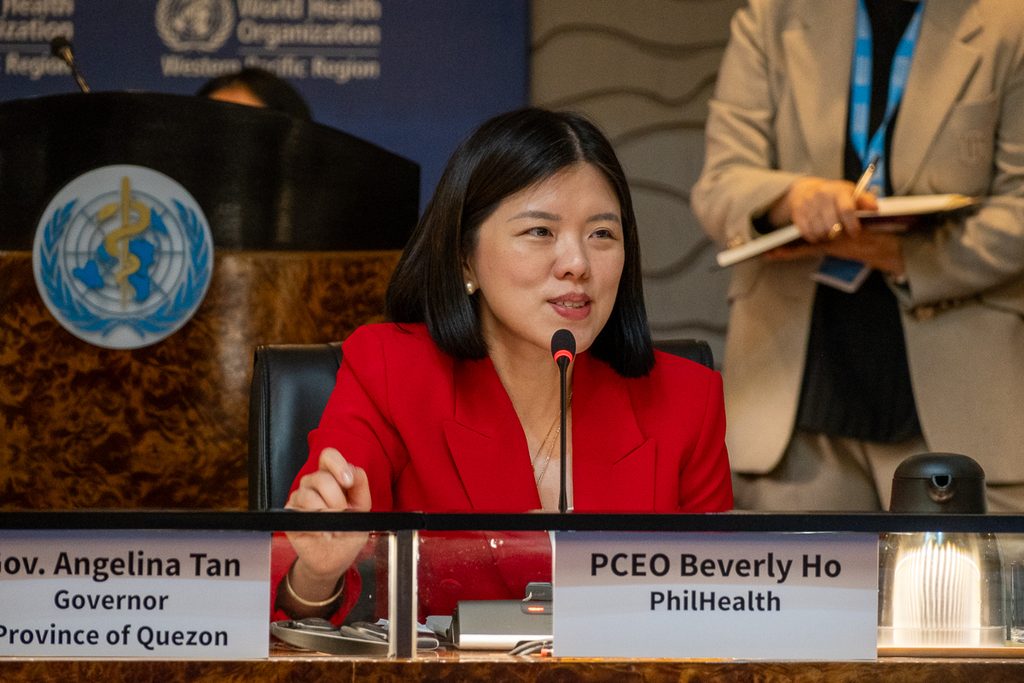
“The best measure for us is if our spending translates to care felt by our members. Our commitment to LGUs is simple: fewer hurdles to get accredited and faster payment once services are delivered. The goal here is to have a financing system that fits how local facilities actually run,” said PhilHealth Acting President and CEO Dr. Beverly Lorraine Ho.
Discussions on the Special Health Fund underscored the need for transparent resource allocation, sound financial management, and stronger coordination among stakeholders to ensure that health financing mechanisms meet the needs of local health facilities and support delivery of essential health services across LGUs.
LGU case presentations from Davao de Oro, Quezon Province, Dagupan City, and Leyte showcased local experiences and approaches to health financing and service delivery. These experiences highlighted the value of responsive planning, intergovernmental coordination, and evidence-informed decision-making while providing opportunities for peer learning among LGUs.
The Summit culminated in the endorsement of a Commitment to Action on Accelerating Universal Health Care through Optimized Financial Management and Evidence-Informed Local Planning, endorsed by ULAP and its member leagues, DOH, PhilHealth, and WHO Philippines.
Through this joint action, ULAP, WHO, DOH, and PhilHealth reaffirm their shared commitment to strengthen local health systems and advance Universal Health Care through effective national-local collaboration, ensuring that every Filipino has access to quality, affordable, and responsive health services.

Started in 1927, the Philippines Graphic is the longest-running printed magazine of national circulation that provides relevant news and features and promotes Philippine literature.

, Department of Health (DOH), World Health Organization (WHO), and Philippine Health Insurance Corporation (PhilHealth) have reaffirmed their commitment to accelerating Universal Health Care (UHC) through stronger local health systems, improved health financing, and evidence-informed local leadership.)