

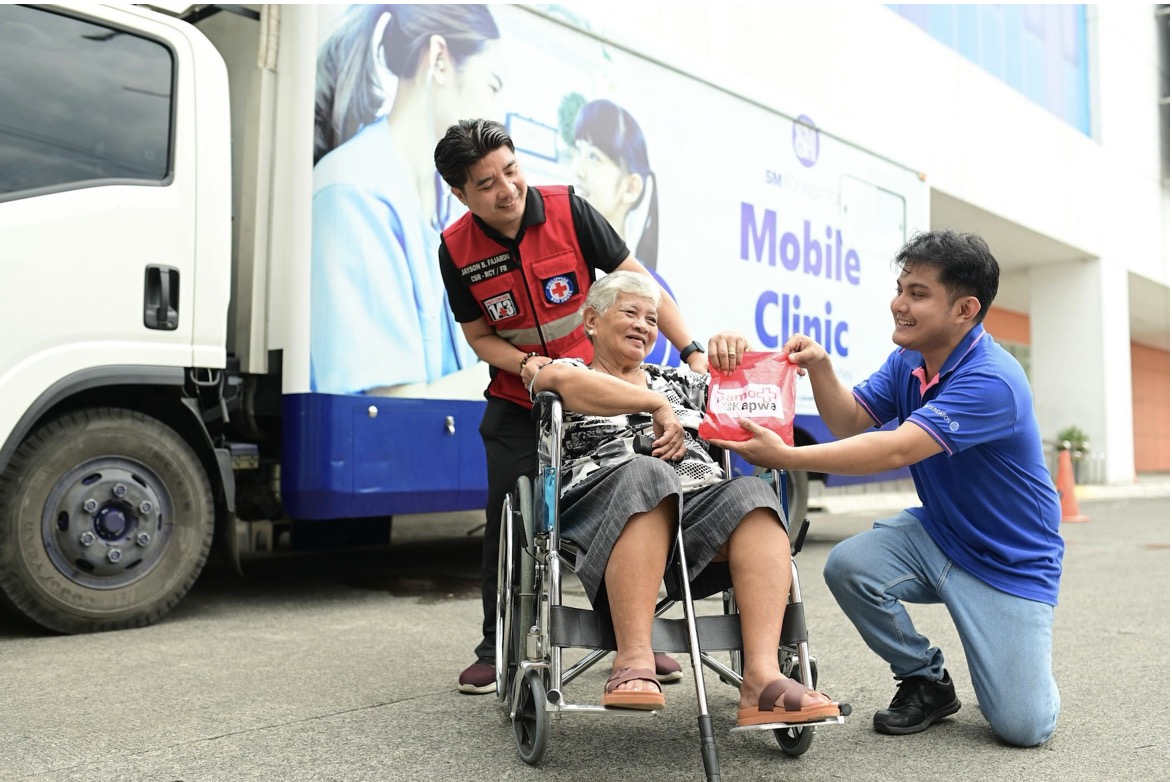
VIA GRAPHIC PLUS — For nearly a year, Barangay San Rafael resident Lolita lived with a question she could not afford to answer.
Why did she still feel dizzy? Why would her heart suddenly pound?
She wanted to see a doctor. But every check-up meant choosing between healthcare and daily necessities.
Traveling to the government health center alone would cost around ₱300 for a round trip. Sometimes, after spending what little she had, she would still go home without the medicines or prescriptions she needed.
Until one morning, she heard that SM Foundation had returned to SM City San Pablo for its annual medical mission.
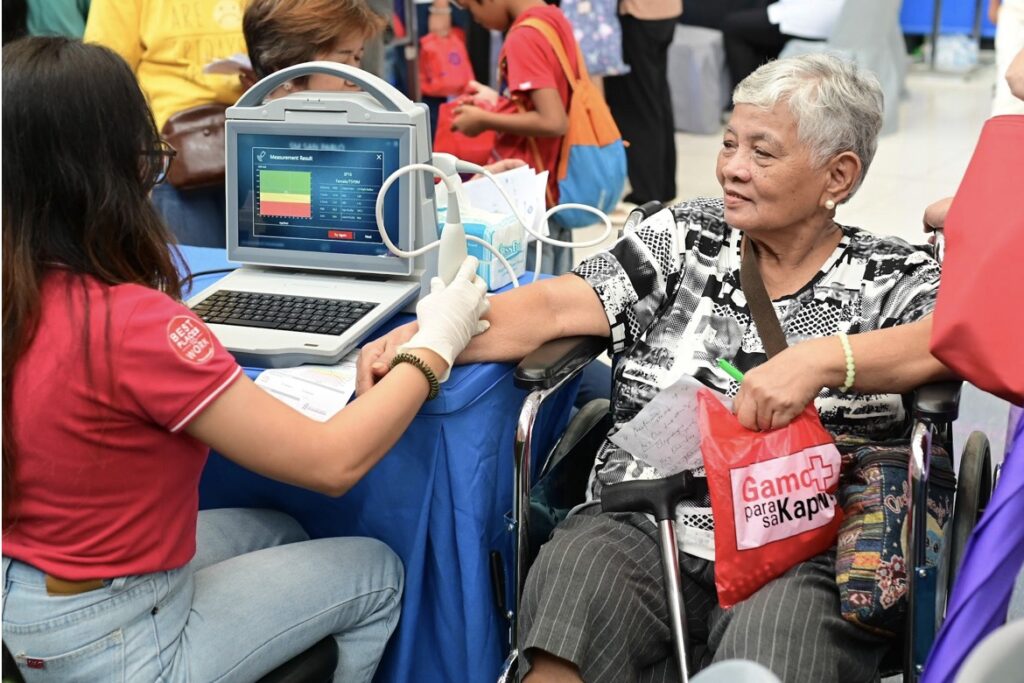
Despite not feeling well, she made her way to the mall.
By the end of the day, she walked away carrying something far more valuable than a month’s worth of maintenance medicines.
“Nagkaroon ako ng peace of mind,” she said.
Years ago, doctors found that she had high blood sugar, high cholesterol, and elevated uric acid levels. Since then, she had taken the maintenance medicines she received during a previous SM Foundation medical mission.
This year, her results brought reassuring news. Her laboratory tests showed improvement.
“Akala ko noon grabe na ang sakit ko,” she recalled. “Ngayon alam ko na ang tunay kong kalagayan. Panatag na ako.”
Lolita’s story shows why healthcare begins long before illness becomes severe.
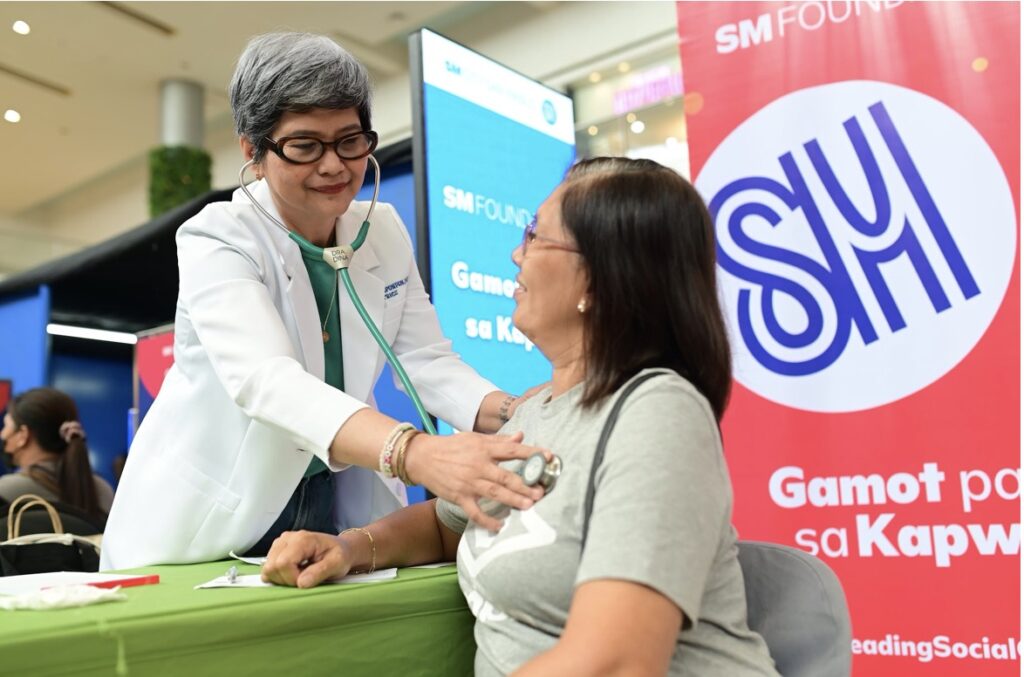
complications.
According to Dr. Mercydina Adbona Caponpon, City Health Officer of San Pablo, many life-threatening diseases develop quietly, showing little to no symptoms until complications arise.
“May mga sakit tayo na makikita lamang ng doktor sa pamamagitan ng eksaminasyon,” she explained. “Importante po ang preventive health care dahil ito po ang makakapag-agap sa mga sakit na maaaring lumala sa mga susunod na taon.”
She emphasized that healthcare does not begin and end with treatment.
“Meron pong preventive, meron pong treatment at meron pong rehabilitation. Pero upang maiwasan pa ang mas malalang mga sakit o komplikasyon ng mga ito, mahalaga na tayo ay makapunta na for preventive health services.”

Preventive care allows illnesses to be detected before they progress. Treatment manages existing conditions, while rehabilitation helps patients regain their health and quality of life. Yet among these stages, prevention remains the first and most powerful line of defense because it gives people the chance to act before diseases become harder and more expensive to manage.
Dr. Caponpon noted that hypertension and diabetes remain among the most common conditions seen in consultations, with many patients seeking medical attention only after their illnesses have already advanced.
For families facing financial challenges, free medical missions become more than a convenient service—they become an opportunity to detect diseases early, begin treatment sooner, and avoid complications that could change lives forever.
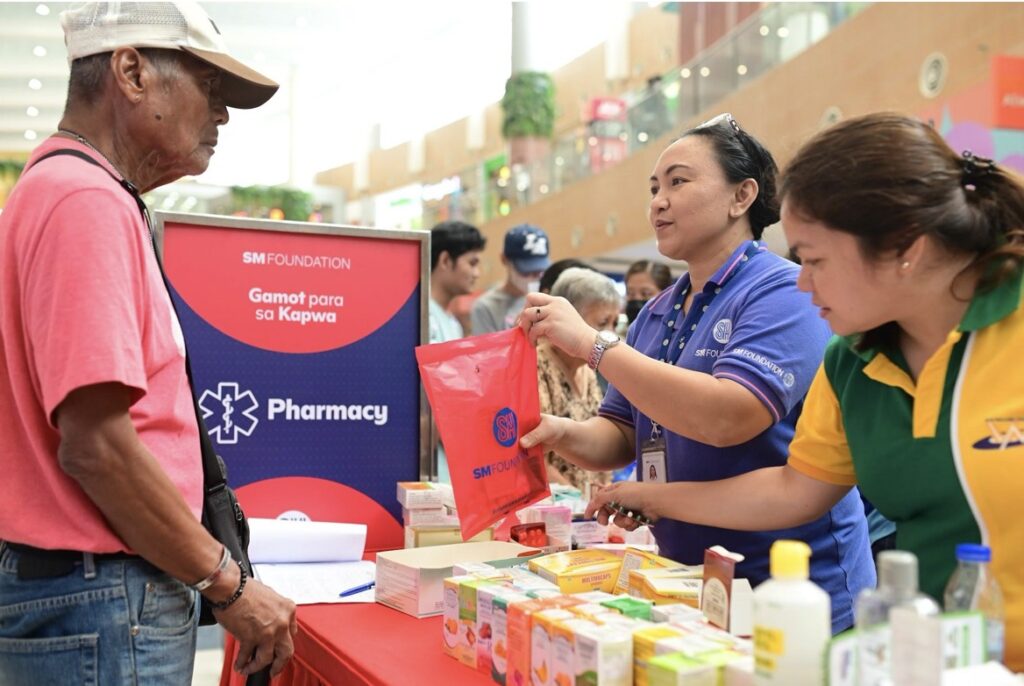
That philosophy has long guided SM Foundation’s healthcare initiatives.
“Kami po kasi hindi kami medical mission lang na nagbibigay ng gamot. Nagda-diagnose po tayo,” said Dr. Bless Bertos, Resident Physician of SM Foundation.
According to Bertos, the comprehensive services offered during medical missions often help identify health conditions that participants were previously unaware of.
“Sa karanasan ko, maraming pumupunta rito para lang kumuha ng vitamins. Pero dahil kumpleto ang serbisyong ibinibigay natin, nagkakaroon din sila ng pagkakataong ma-screen. Madalas sinasabi nilang wala silang maintenance na iniinom, pero kapag kinunan na ng blood pressure, lumalabas na mataas pala. Doon pa lang, naaagapan at nasisimulan na nating ma-manage ang kanilang kondisyon,” she explained.
Through free consultations, laboratory tests, X-rays, ECGs, dental and optical services, volunteer doctors can identify health risks that patients themselves may not even know they have.
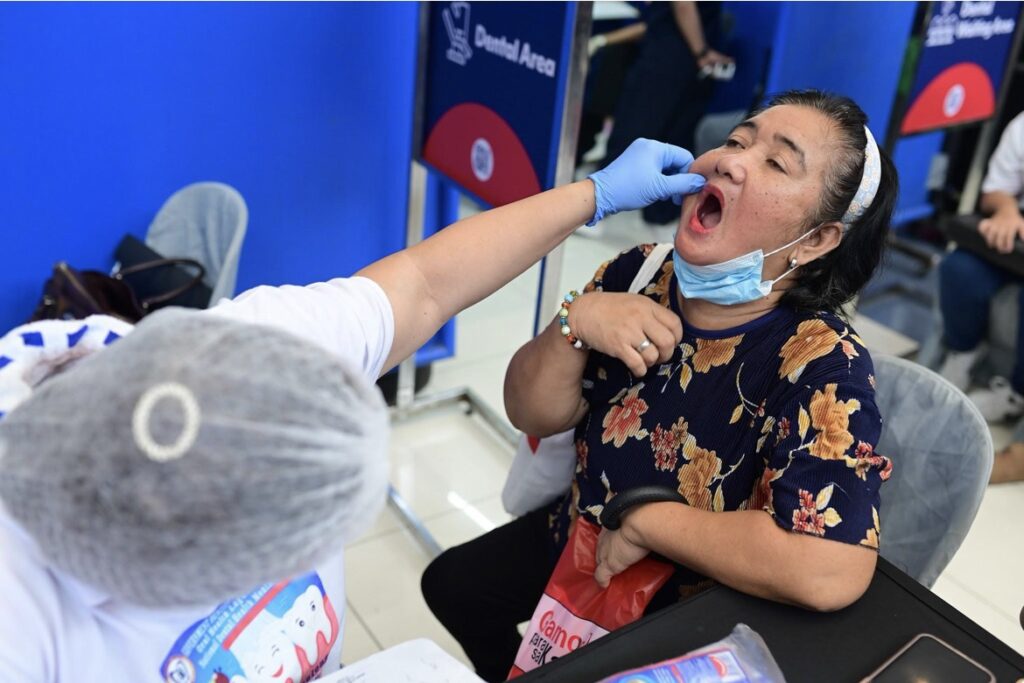
Unlike one-time outreach activities, SM Foundation returns to communities year after year. Patients are referred to local health centers for continuous care, while succeeding medical missions allow volunteer doctors to monitor their progress and encourage healthier lifestyles.
This year, that commitment reached hundreds of residents from 10 barangays in San Pablo City on July 2.
In partnership with SM City San Pablo, the City Health Office, SPC Medical, Philippine Red Cross, Provincial Health Office, San Pablo Infinity 104 MJF Lions Club International, and Acebedo Optical, the medical mission delivered 1,521 free healthcare services.
Some people might think that the numbers represent access to healthcare but the mission means something much more personal for residents like Lolita.
She no longer has to wonder why she feels the way she does, worry about affording the answer, or wait until her illness turns severe. For Lolita, and for hundreds of residents like her, preventive care did not just catch what was wrong. It gave back what worry had taken: one check-up, one diagnosis, one certainty at a time.

Started in 1927, the Philippines Graphic is the longest-running printed magazine of national circulation that provides relevant news and features and promotes Philippine literature.