

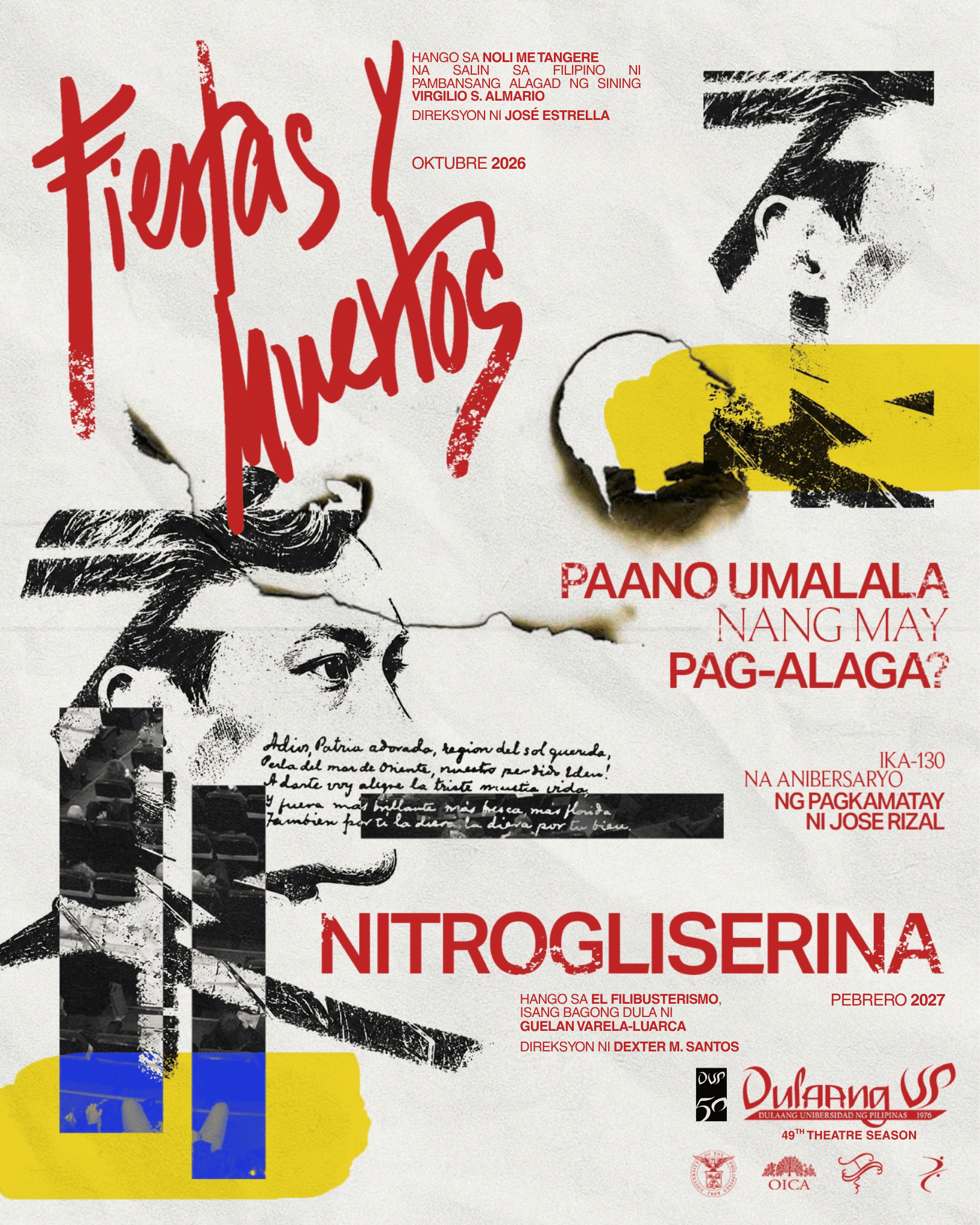
Dulaang Unibersidad Pilipinas’ 49th Theatre Season echoes Dr. José Rizal’s call for interventionist action with the theme, “Paano Umalala nang may Pag-alaga?” This milestone season tackles the urgent question of how a society remembers its past and protects its collective memory with radical care, especially in an era facing rapid historical amnesia.
Commemorating Rizal’s 130th death anniversary, Dulaang UP will bring back-to-back stagings of Rizal’s revolutionary novels, Noli Me Tángere and El Filibusterismo.
Dulaang UP brings together two of the country’s most prominent theatre directors to breathe new life into foundational Filipino texts, a continuation of our founding Artistic Director National Artist for Theatre Tony Mabesa’s legacy of rendering timeless pieces in present-day contexts and struggles.
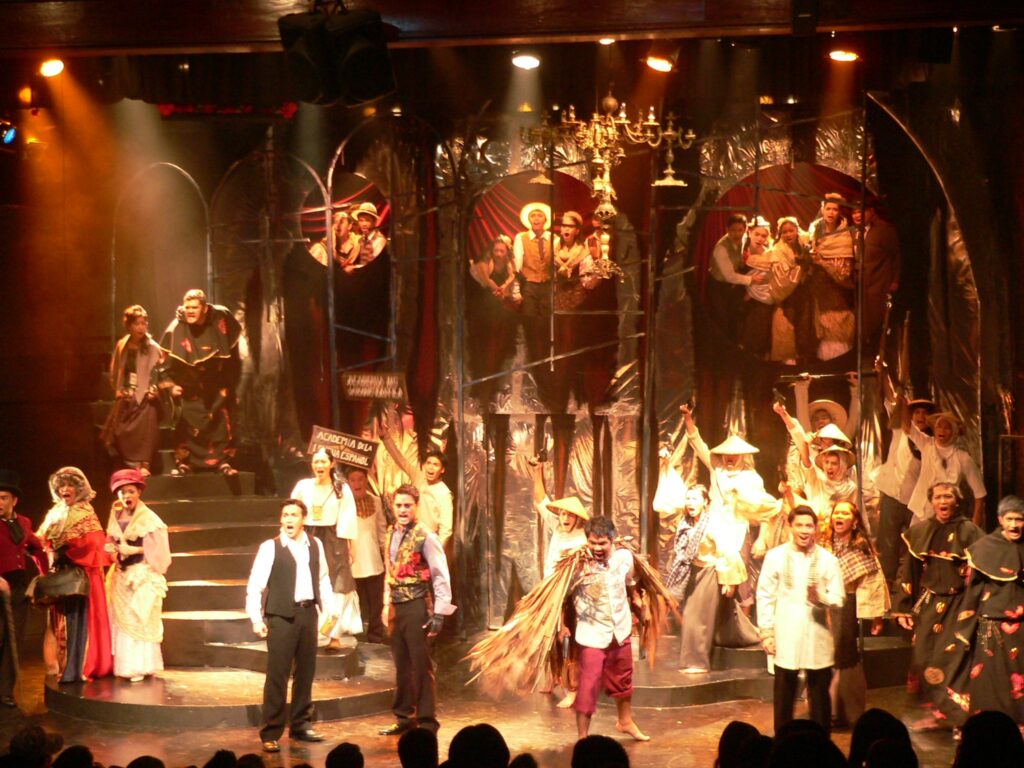
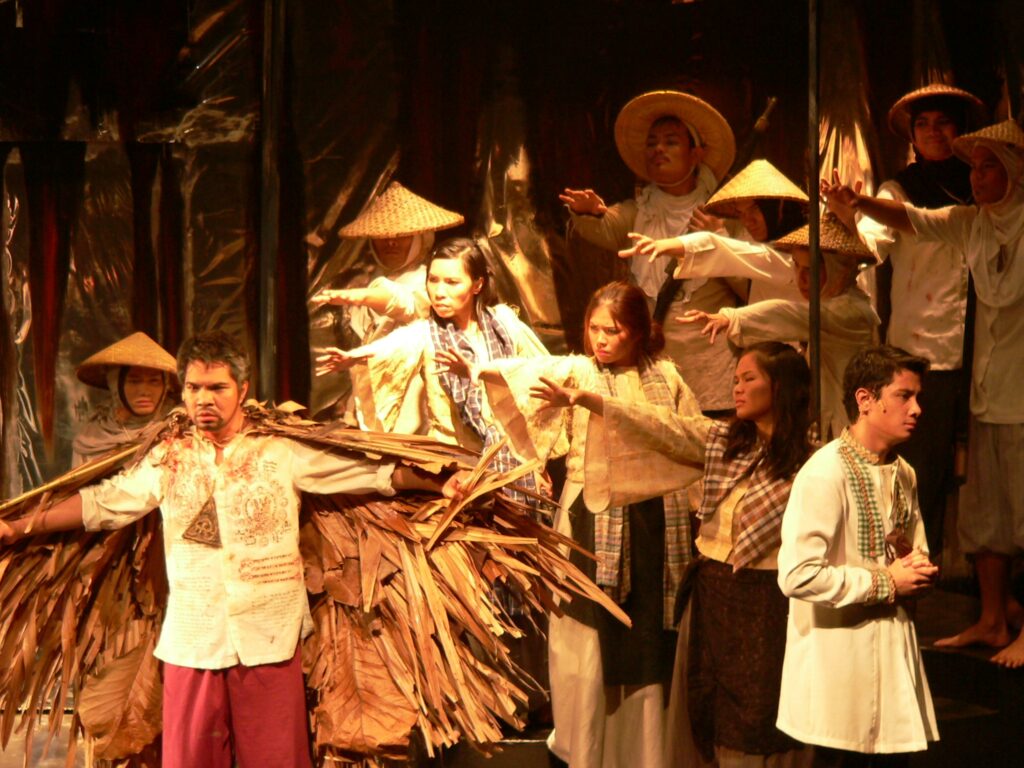
Isang Panaginip na Fili (2010)
By presenting Rizal’s two landmark novels in dialogue, Dulaang UP’s 49th Theatre Season elevates traditional history archiving by turning the stage into a living archive. Instead of confining history to textbooks, the theatre animates heritage, enabling actors and audiences to physically engage with, question, and pass on the nation’s cultural memory. This vibrant space bridges classroom theory and today’s world, serving as a rigorous training environment where experienced professionals and student scholars collaborate. Ultimately, this artistic practice grounds both performers and audiences in truth, fostering a living, multi-layered understanding of our shared societal challenges.
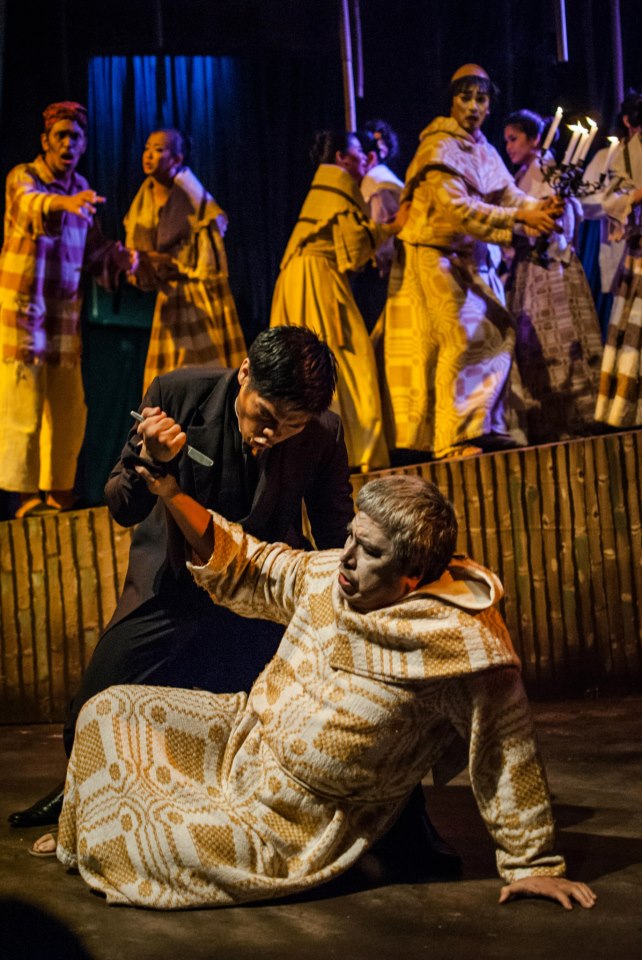
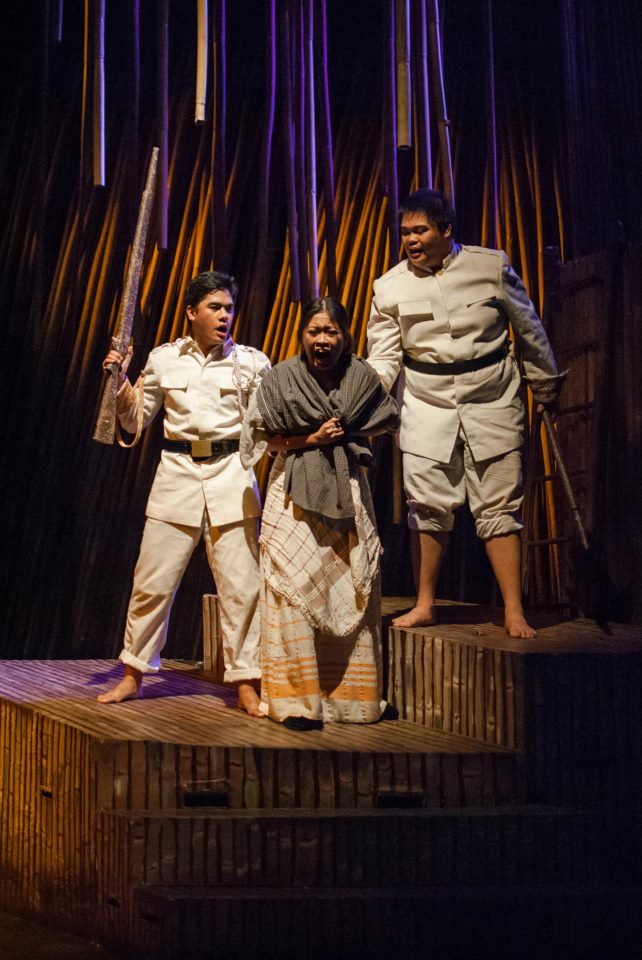
Noli Me Tangere The Opera (2011-2012)
Rizal’s novels are still highly relevant today because the issues they revealed—such as systemic corruption, abuse of power, and civic apathy—still afflict the modern Philippines. The characters like Doña Victorina and the corrupt friars showcase political opportunism, greed, and manipulation, reflecting current political dynasties and institutional graft. Rizal’s novels remind us that, although the oppressors’ faces have shifted from colonial rulers to local elites and aspiring kleptocrats, the fight of the masses against injustice remains unchanged. Reading these works today are revelatory of societal problems that have only evolved from the 19th century, not vanished.

Additionally, the contrasting methods of reform through Crisostomo Ibarra and Simoun provide an enduring lesson in social activism and nation-building. Ibarra’s focus on education and institutional change emphasizes the importance of truth, critical thinking, and intellectual freedom—crucial tools in combating today’s widespread misinformation and historical inaccuracies. Meanwhile, Simoun’s turn to radical revolution serves as a warning about the harmful effects of extinguishing peaceful paths to justice. In the end, both novels encourage contemporary Filipinos to reject complacency, seek enlightenment, and actively participate in fostering a society grounded on equity.
The season opens with José Estrella’s direction of a reimagination of Noli Me Tangere (based on the Filipino translation by National Artist for Literature Virgilio S. Almario), titled Fiestas y Muertos. Estrella’s staging presents Noli Me Tangere through two contrasting visual and emotional themes: the chaotic, forced happiness of public fiestas and the quiet, eerie reality of societal decline and death (muertos).
This production mirrors the societal issues of Spanish-colonial San Diego, where lavish religious events are used by the ruling elite to hide extreme poverty, corruption, and psychological suffering. Framing Rizal’s novel within this dramaturgical approach transforms it from a conventional period piece into a dynamic, ritualistic cycle of life, death, and societal spectacle. This viewpoint offers a deep reflection on a people, as Elias quietly states at the end, who might perish in darkness without witnessing the dawn.
Following this, Dexter M. Santos takes the helm for Nitrogliserina; a new play by Guelan Varela-Luarca, based on and inspired by El Filibusterismo. This alternate narrative pursues the revolutionary possibilities left unresolved in Rizal’s final novel: what if the story we inherited was not the one we needed?
Interrogating the limits of reform, the violence of established orders, and the fantasies of liberation that continue to haunt the Filipino imagination, Nitrogliserina confronts the precarious aftermath of a revolution. As power structures collapse and new futures emerge, the play offers a meditation on the price of remaking a nation.
Fiestas y Muertos will run from October to November 2026, with Nitrogliserina scheduled for February to March 2027; ticketing information will be announced soon. The season will feature both regular evening performances and weekend matinees at the IBG-KAL Theatre, UP Diliman.

Started in 1927, the Philippines Graphic is the longest-running printed magazine of national circulation that provides relevant news and features and promotes Philippine literature.