

VIA GRAPHIC PLUS — We’ve gotten pretty good at reading the labels on our skincare—checking the ingredients, understanding what our skin needs, and choosing products accordingly. Now, that same level of care is extending to hair, as consumers become more mindful of what goes into their haircare products and how those choices affect the health of their hair.
A 2025 study by the Journal of the Korean Society of Cosmetology found that consumers’ perceptions of hair-care products containing natural extracts can influence their purchasing behavior, reflecting a growing interest in what goes into the products we use. But when it comes to hair, the conversation goes beyond the bottle. It also starts with understanding the hair itself.
That was part of the conversation when Tints of Nature Managing Directors Vicki Borley and Katharine Crew visited the Philippines.With years of experience developing and working with products for different hair types, their visit offered an opportunity to look more closely at the diversity of Asian hair—from its different textures and structures to the ways it can respond to color and care.
Asian Hair Has More Than One Story
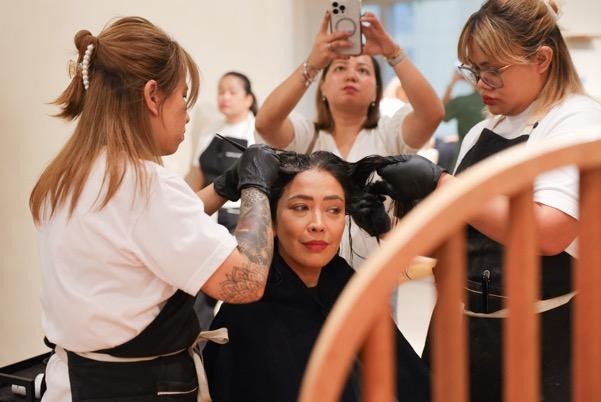
There’s no single definition of Asian hair. While it is often associated with straighter textures and relatively thick strands, a 2025 multinational study found variation in characteristics such as hair thickness, dryness, damage, and curl pattern across populations.
Hair can differ in strand diameter, texture, density, porosity, and the shape of the hair fiber—from fine, straight strands to thicker, more textured hair. Its history also matters: coloring, bleaching, heat styling, and environmental exposure can all change the hair’s condition and how it responds to further treatment.
“There are a lot of different textures and types of hair within Asian hair, so it’s important not to treat it as one category. Understanding the individual hair and how it responds to color is key. Whether the hair is straight, thick, fine, or previously treated, the approach needs to consider its condition to achieve the best result. We very much believe in an approach that works effectively across all hair types,” said Vicki Borley, Professional Sales & Co-Managing Director of Tints of Nature.
Think of Color as Part of the Care Routine
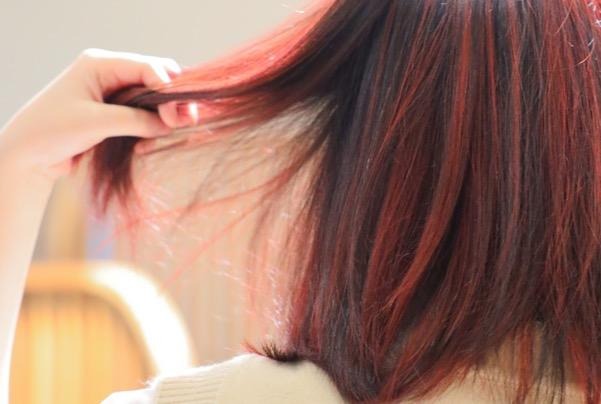
That understanding can also change how consumers approach hair color. As they become more ingredient-conscious with the products they put on their bodies, including their hair, consumers are looking beyond the immediate result and paying closer attention to what comes into contact with their hair and scalp. This becomes especially relevant for hair that has already been exposed to bleaching, straightening, heat styling, or other treatments.
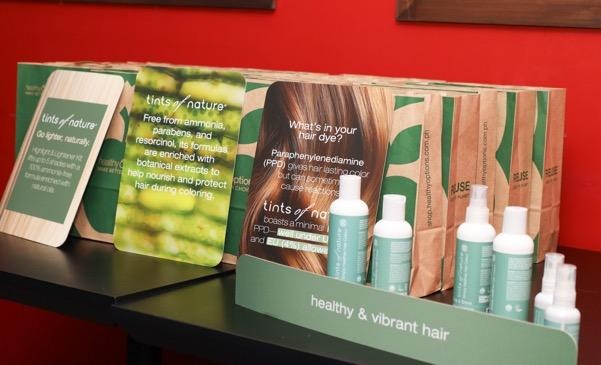
Tints of Nature takes this approach through formulas made with 95% naturally derived ingredients, while its permanent hair color contains 75% certified organic ingredients. Its permanent colors are also ammonia-free and resorcinol-free, with the lowest levels of PPD in permanent hair colors, while its henna range contains zero PPD. The range is vegan, cruelty-free, and dermatologically tested.
Color and aftercare are also treated as part of the same process, with products such as the Hydrate or Structure Treatment, Hydrate Shampoo, and Hydrate Conditioner supporting hair care before and after coloring.
“Because we have a much gentler color system, we do have to think about how we approach coloring the hair a little differently. It’s not just about putting the color on and getting the result—it’s also about preparing the hair properly and caring for it afterwards. When you take that extra care, you can still achieve beautiful, shiny, professional results,” Borley added.
Your Hair Didn’t Get the One-Size-Fits-All Memo
The takeaway is simple: know your hair before you color it. Most importantly, make care part of the coloring process rather than an afterthought.
This is also why Healthy Options carries Tints of Nature. Its approach to hair color aligns with their broader commitment to offering products that support healthier lifestyles without compromising effectiveness. Tints of Nature combines salon-quality color with conscious formulations and botanical extracts designed to nourish and protect hair during coloring.
“At Healthy Options, we look for products that reflect the same standards we believe in—ingredient transparency, conscious formulations, and a commitment to long-term wellness alongside beauty results. Tints of Nature brings those values together through its use of certified organic and naturally derived ingredients, its vegan and cruelty-free credentials, and its focus on hair and scalp health. It allows our customers to make better choices without compromising on performance,” said Romy Sia, Managing Director of Healthy Options.
After all, beautiful hair isn’t about following one formula. It’s about understanding what makes your hair yours—and choosing color and care that work with it. For Asian consumers, particularly in the Philippines, that means celebrating the range of textures and structures that make Asian hair unique, while giving each one the thoughtful care it deserves.

Started in 1927, the Philippines Graphic is the longest-running printed magazine of national circulation that provides relevant news and features and promotes Philippine literature.