

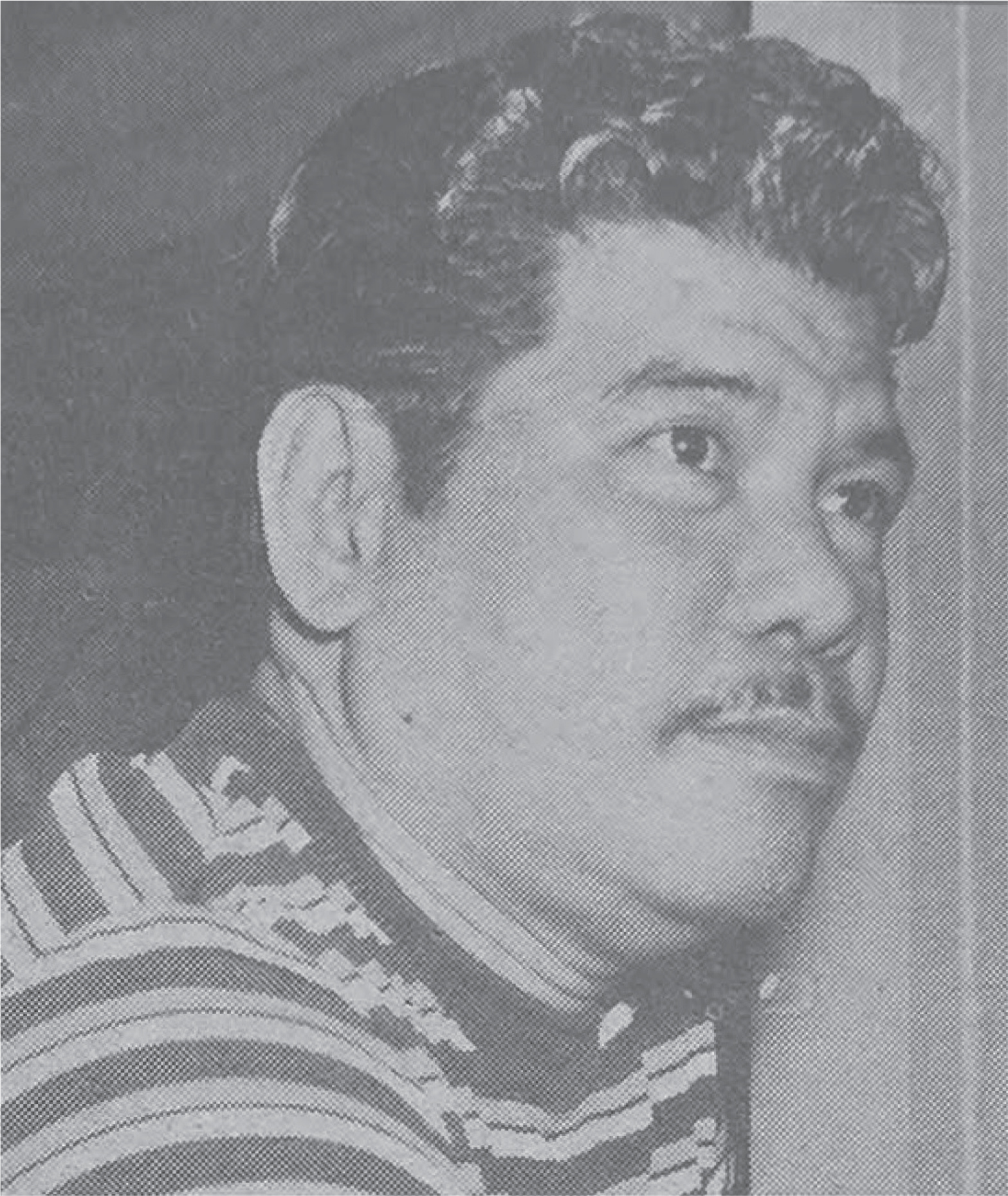
Mars Ravelo, the creator of Darna, Dyesebel, Bondying, Roberta, Jack and Jill and other fantastic characters that continue to people the pages of various comics, magazines, and entertain millions of Filipinos on the silver screen had very few frustrations in life. One of them was to write an autobiographical novel.
By the time he died of a heart attack at the age of 73 on September 12, 1988, Mars had become the undisputed King of the Pilipino Komiks. His characters and novels seem to have a life of their own and continue to entertain the masses on the screen, in radio and TV, and in the pages of newly created komiks magazines.
Many of today’s biggest stars owe their popularity to Uncle Mars, as everybody called him. His Roberta saved the Sampaguita studio from bankruptcy and gave rise to the foremost child star (Tessie Agana) in the 1950s. Dolphy became a full-fledged star when he was featured in the title role of Jack and Jill, a screen adaptation of one of Mars’ komiks creations. Dolphy also made a lot of dough-re-mi by starring and producing several film versions of Mars’ Facifica Falayfay. The list is endless: Susan Roces benefited immensely when she portrayed the title role in Maruja, another Ravelo-inspired photoplay. Vilma Santos starred in three Darna films and played the title role in Dyesebel. Another actress who played Darna, Alma Moreno, also depicted Dyesebel, the sexy sirena. Edu Manzano could never forget Uncle Mars because he played Captain Barbell in a movie, another Mars creation. Mars’ favorite actress, Sharon Cuneta, also played Darna in Captain Barbell and starred in a film adaptation of his Pasan Ko Ang Daigdig.
“Up to the very end, although he had suffered a stroke in 1980, eight years before his death, Mars continued to create new komiks characters,” Lucy, his widow, disclosed. “One year before his death, he just dictated his stories which were all published.”
Mars had eight children with Lucy: Richard, now 44, an artist; Roberta, 42, now Mrs. Danny Austria; Raul, 40, now in the US; Rita, 39 (Mrs. Louie de la Cruz); Renne, 37, a food expert (Mrs. Hermie Adolfo); Regina, 35, interior designer (Mrs. Bobby); Rex, 33, artist, also in the US; and Rizaldy, 31, the only bachelor, who now helps Mrs. Ravelo manage their two restaurants: Balanghai, located near the Camelot Hotel in Quezon City; and Casa Leonisa on Quezon Avenue.
I interviewed Mars at least six times the first of which was in 1965, at the height of his popularity as a komiks novelist.
“I don’t like to be Number 2,” he said, disclosing the secret behind his success. “Even when I worked as a janitor in my salad years, I was the Number 1 janitor.”
“Mars was one in a million,” his widow Lucy chimed in. “As a husband, as a father, as a friend and as a human being, he was tops. He had only one defect. He was a poor businessman.”
Lucy recalls the time Mars put up two printing presses in 1970 to publish four komiks magazines. “By 1983, we had to resort to bankruptcy proceedings because we lost all our money in the undertaking. I’m lucky because before Mars died, he was able to put up two restaurants which I now manage and which is the source of our income in addition to the sums I receive whenever one of his komiks novels is made into a movie.”
A movie critic noted, “Ravelo’s novels worked like magic in the movie industry. Starlets and newcomers were turned into overnight sensations just by starring in the movie adaptations of his komiks novels. Among them are Hilda Koronel, who played the title role in Haydee; Edna Luna in Jezebel, FRed Montilla in Bondying, Lolita Rodriguez in Boksingera, Dolphy in Jack and Jill, and Rosa del Rosario in Darna.”
At least 12 thespians benefited from the title roles in the 17 Darna incarnations. Mars was the highest paid komiks novelist.
“Had Mars lived longer,” Lucy disclosed, “he would have invaded the music industry. Before he died, he wrote around 40 ditties, complete with musical arrangements. Music was really his first love.”
“Those who grew up in the Fifties,” movie critic Mario Bautista wrote in the June 18, 1979 issue of the Daily Express, “recall reading the four illustrated komiks published by Ace Publications (Pilipino Komiks, Hiwaga Komiks, Tagalog Classics and Especial Komiks) as part of their childhood. Even then, the name Mars Ravelo, creator of such characters as Darna, Jack and Jill, Teksas, Baby Bubut, Silveria and Mambo-Dyambo, was a household name.”
“I was lucky that the masses liked my work,” Mars once told me. “And yet there was a time when writers in English used to look down on us.”
“As a publisher,” Mrs. Ravelo recalls, “Mars’ problems ranged from warring movie reporters to feuding movie stars, to the red tape he encountered from government agencies.”
“Uncle Mars’ sole frustration in three decades as a komiks novelist,” critic Bautista pointed out, “was that he had not won a single writing award.”
In October 1988, two of his komiks novels earlier adapted for the screen—Ako’y Tao, May Dugo at Laman and Tubog sa Ginto were launched as pocketbooks.
“Readers find these two novels, written decades ago, still relevant today,” Sol Juvida wrote in the Manila Standard on October 21, 1988. “Though homosexuality is openly discussed today, Tubog sa Ginto’s view is: a homosexual father has no place in Filipino society.”
Uncle Mars’ explanation of his success as a komiks novelist was bewildering in its simplicity: “I go down to the level of our audiences. Our people are basically childlike. They like fantasies and rags-to-riches tales.”
Despite his success in his career, Mars remained a simple and uncomplicated creature up to the end.
“Colleagues still remember,” said writer Sol Juvida, “that Uncle Mars wore rubber slippers wherever he went.”
Written by Joe Quirino. Published by the Philippine Graphic on March 11, 1994.

Graphic Archive
The Graphic Archive contains the articles and literature published in the Philippines Graphic since it was first established in 1927.