

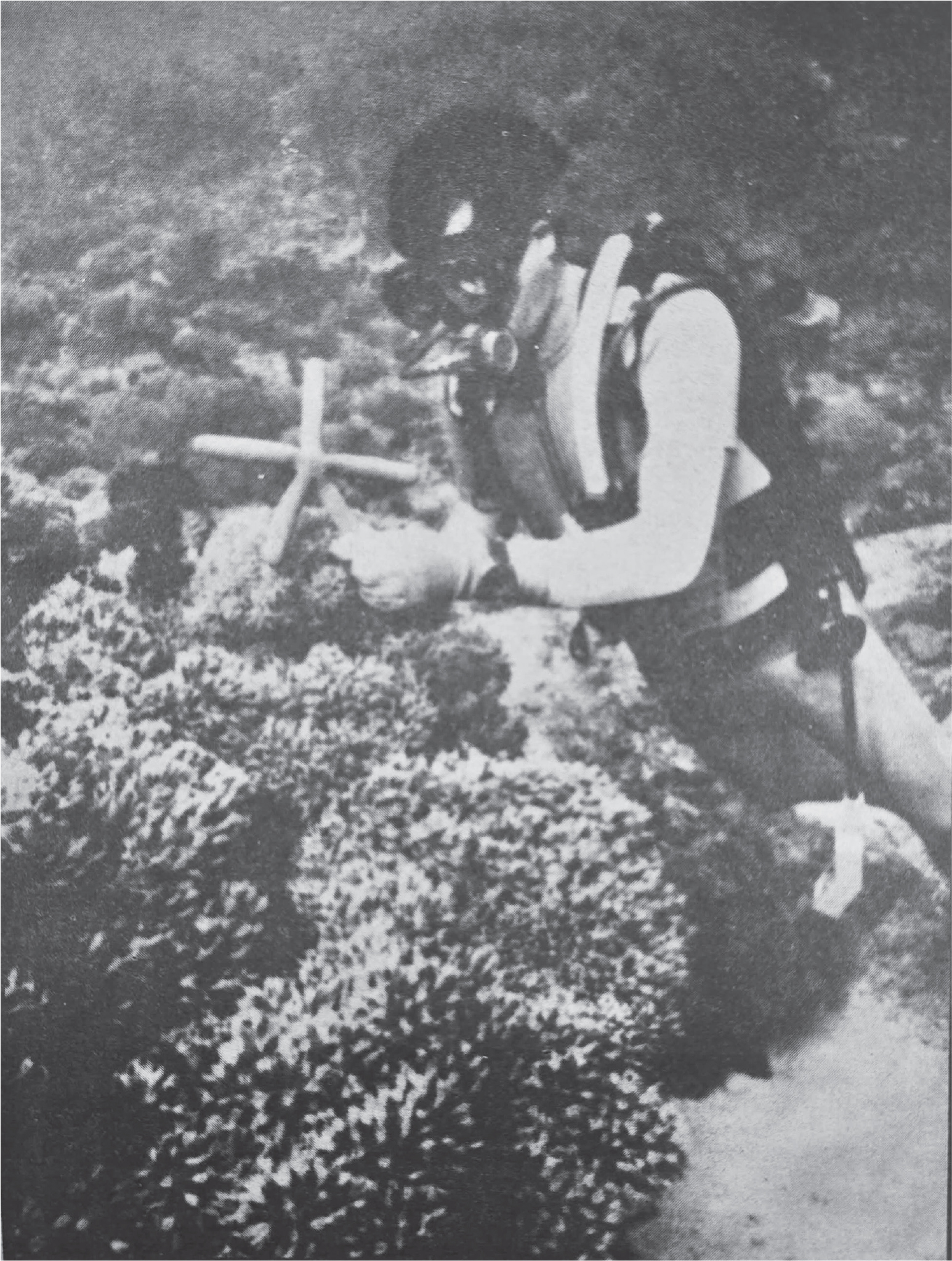
The Philippine archipelago, with a coastline much longer than that of the United States, has some of the world’s richest and most diverse coral reefs. Of the 500 known species in the world, 400 are found in the country’s 7,100 islands—a fantastic collection even greater than that of the Great Barrier Reef of Australia.
There are three types of coral reefs: fringing reefs, which constitute about 30 percent of our coral reefs, barrier reefs, like the Dajanon Reef of Central Visayas; and the atoll type, such as the Cagayan Reef in Sulu Sea and the Tubbahata Reef, a 32,500-hectare system of submerged coral mountain along the Cagayan Ridge in Palawan, where one can find the greatest variety and density of fish life, and which the government has declared a marine park area.
Marine biologists say that Philippine coral reefs are among the most productive marine ecosystems in the world. They continue to fascinate scuba divers not only by their magnificent colors and unique formations, but by the variety of the tropical fish inhabiting them. There are about 2,400 species of fish found in our territorial waters, 65 varieties of which are considered of commercial value.
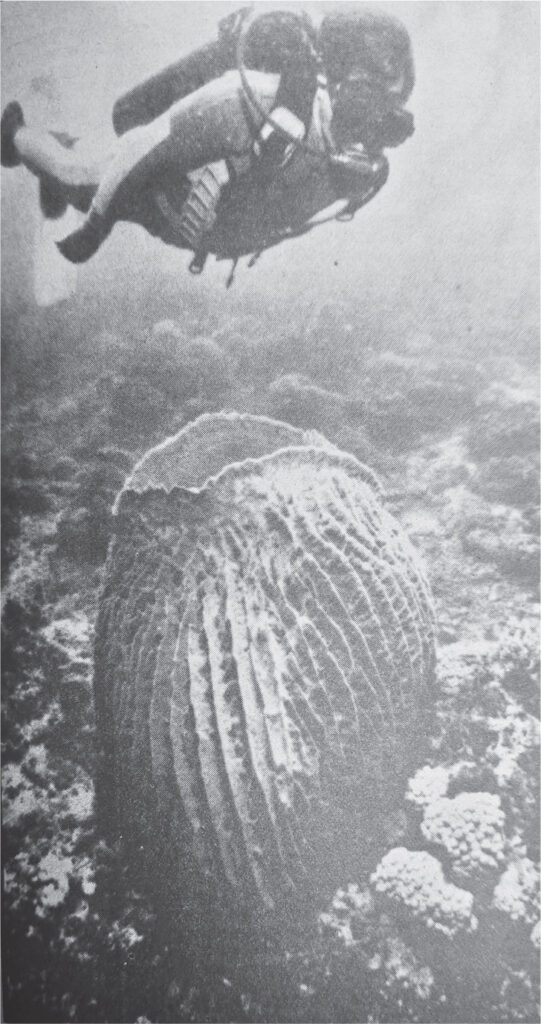
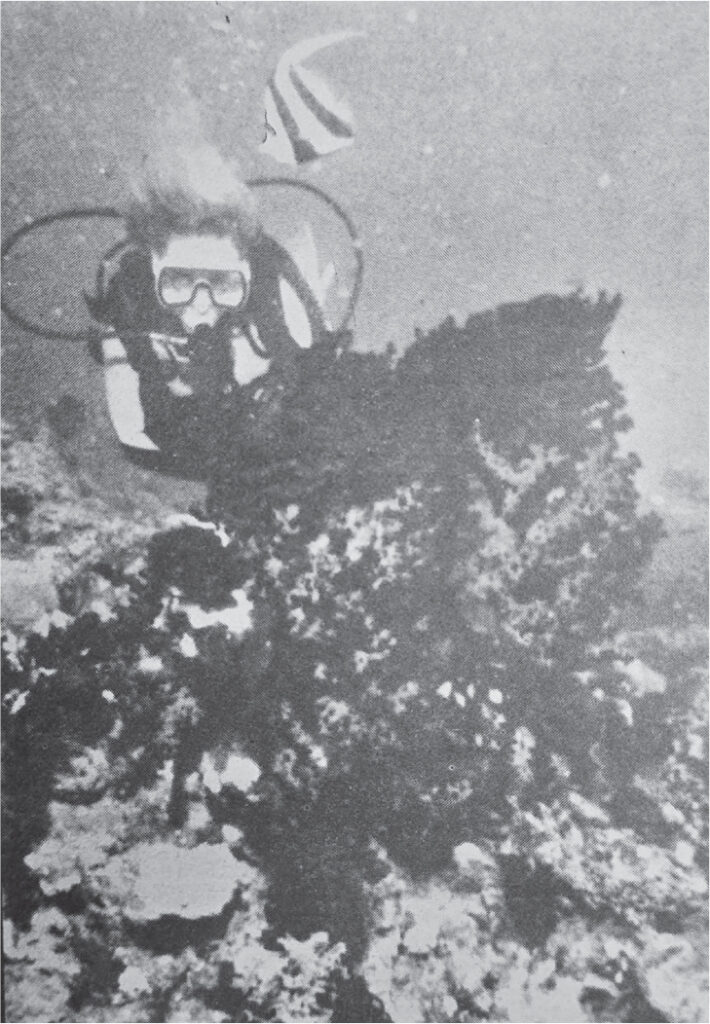
As one of the essential ecological processes and life-support systems, coral reefs serve not only as shelters but also as spawning
As one of the essential ecological processes and life-support systems, coral reefs serve not only as shelters but also as spawning, feeding and nursery grounds for fish and other marine creatures. Ramon P. Binamira, noted Filipino environmentalist and United Nations-recognized community development expert, stresses that a hectare of good coral reef alone could produce some 30 metric tons of fish yearly. (Other natural fish habitats in the archipelago are mangroves, seabeds and grass.)
Coral reefs, along with mangroves, are also important barriers in the protection of the shoreline from erosion by wind, waves and storms.
Unfortunately, these precious gems of the ocean, these undersea wonders that have made our marine waters among the best scuba diving grounds in Asia, are being ruthlessly destroyed.
In a special report on world environment Newsweek (June 1, 1992) observed that “in the Philippines dynamiting, polluting and collecting have killed 90% of the country’s coral reefs.” The runoff from deforested land, Newsweek went on, also chokes coral reefs.
More than half or 70% of the country’s coral reefs, according to reports, have been badly damaged or are in advanced states of destruction. Only 25% of live coral cover are in good condition, and only five percent can be described as in excellent condition.
Sizable areas of reef flats and reef crests at Tubbahata and nearby seamounts, for instance, have been reduced to rubble, apparently by dynamite blasts and other forms of destructive fishing. Marine biologist Angel Alcala notes that dead hard corals indicate the effect of sodium cyanide poisoning to stun the fish. Corals have also been broken by muro-ami fishing and boat anchors cast indiscriminately at the marine park.
Binamira, former general manager of the Philippine Tourism Authority (PTA) who organized the nationwide Bantay Dagat project in Cebu in 1989 to fight illegal fishing and conserve the marine resources for tourism and livelihood of the fishermen, explains that corals may take about 50 years or more to grow into fish sanctuaries, only to be destroyed by dynamite fishermen in less than a second.
Even more damaging, Binamira says, is cyanide fishing, which squirts poisonous substances into corals, not only stunning the fish but also causing the slow death of reefs, as well as poisoning the people eating poisoned fish.
Binamira points out that the great variety of our corals (considered as living marine organisms or animals) and the tropical fish inhabiting them are the country’s major underwater attractions and have the potential to earn needed foreign exchange if they are properly conserved and developed. He says it is time the local government agencies, civic organizations and residents of fishing communities in the country extend their full support and cooperation in the government’s campaign to stop and reverse the destructive trend, and manage our fishery resources to maintain their productivity and their attraction for tourism.
To call the attention of world environmentalists and diving tourists to our fascinating undersea world and the problems it faces today, the Department of Tourism and the PTA, in cooperation with the travel trade sector and the Department of Environment and Natural Resources, have intensified their development and promotion of the country’s potential diving grounds, particularly in Central Visayas (Mactan, Cebu, Bohol) where beach resorts like Tambuli, Cebu and Bohol Beach Clubs are actively involved in marine conservation and promotional activities.
At the recent Earth Summit— more formally known as the United Nations Conference on Environment and Development— held in Rio de Janeiro, Brazil, the Philippines presented its “Strategies for Sustainable Development and Forestry Master Plan,” in which it outline concrete projects to protect and conserve our natural resources, including tropical rainforests and coral reefs, and to assure their continued existence in the next century. –G
Written by Ben A. Abogadie Jr., published by the Philippine Graphic on November 9, 1992.
RELATED ARTICLE

Graphic Archive
The Graphic Archive contains the articles and literature published in the Philippines Graphic since it was first established in 1927.